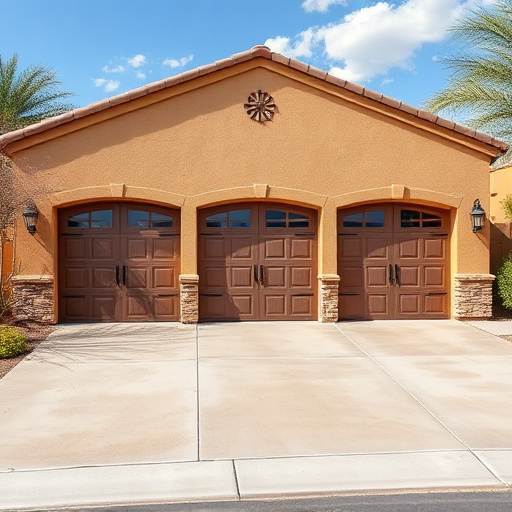
In door cost Tucson, the scorching desert sun presents unique challenges for homeowners when choosing the right garage door. Many traditional materials falter in this environment, leading to premature wear and tear. The solution lies in understanding the specific materials designed to withstand the harsh conditions, ensuring your garage door not only enhances your home's curb appeal but also provides reliable, long-lasting protection. This article guides you through the process, from selecting the right materials to navigating old door removal and disposal, offering expert insights on choosing a garage door that can handle the desert heat.
- Choosing Heat-Resistant Garage Door Materials
- Understanding Desert Heat's Impact on Doors
- Old Door Removal: A Step-by-Step Guide
- Eco-Friendly Disposal Options for Old Garage Doors
Choosing Heat-Resistant Garage Door Materials
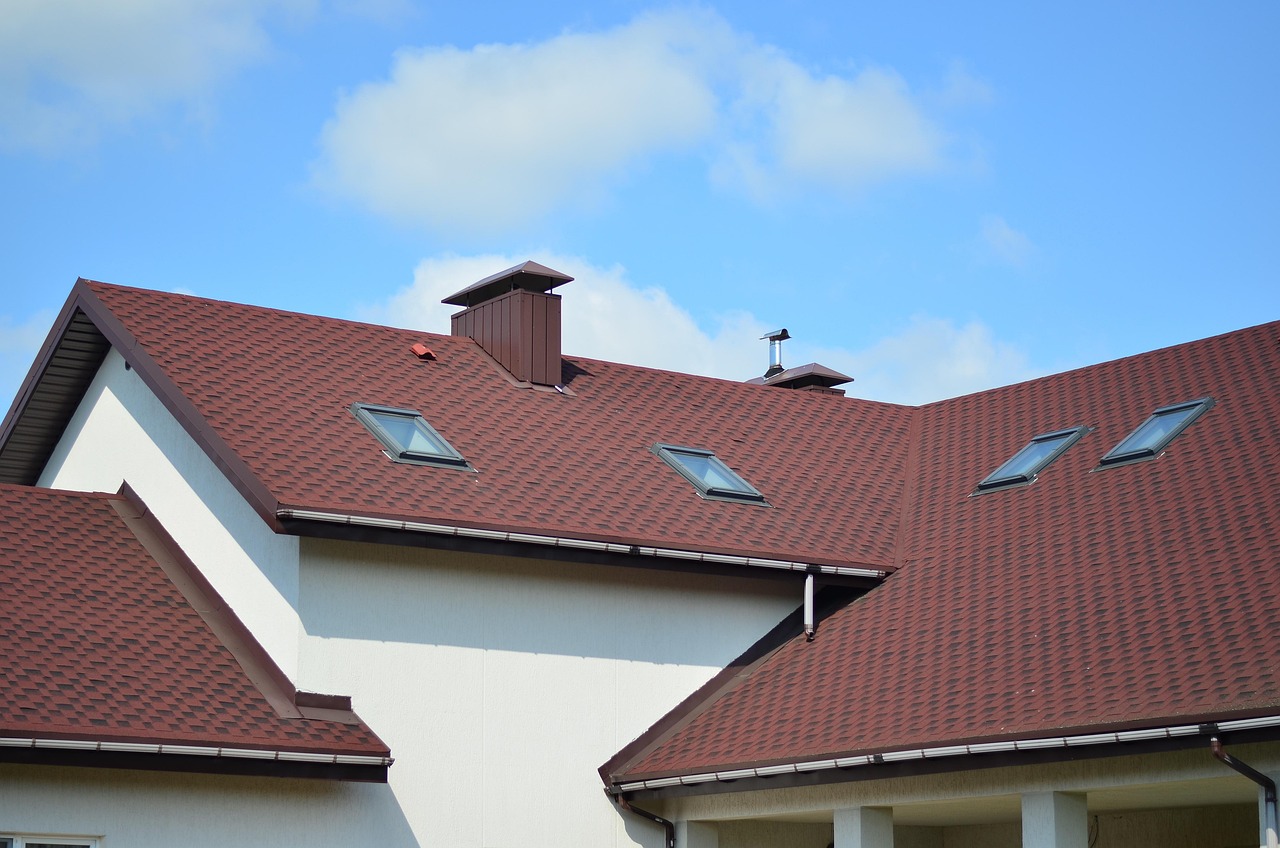
Choosing the right garage door materials for a desert climate requires specific considerations to ensure both functionality and durability. In door cost Tucson, where temperatures can soar, selecting heat-resistant options is crucial. The extreme heat can affect various materials differently, leading to premature wear and tear. Some substances may become brittle, while others may experience structural weaknesses under intense heat exposure.
For heat-resistant garage doors, steel and Clopay brand products stand out as excellent choices. Steel is inherently strong and capable of withstanding high temperatures. It's a preferred material for desert homes due to its low maintenance and longevity. Clopay, a leading manufacturer, offers a range of styles and designs, many of which are engineered to resist extreme conditions. These doors can be further enhanced with polyurethane insulation, a highly efficient energy-saving material that also adds an extra layer of protection against heat. The insulation traps cool air inside, keeping the garage at a comfortable temperature and reducing the load on your air conditioning system.
An experienced Tucson garage door installer recommends considering the local climate and architectural style when making a selection. For homes with stucco exteriors, for instance, garage doors with a natural wood finish or faux wood grain can complement the overall design while providing the necessary heat resistance. It's also essential to ensure that the door's components, such as hinges and rollers, are made from heat-resistant materials to prevent premature failure. Proper installation and regular maintenance, including old door removal and disposal, are key to keeping your garage door functioning optimally in the harsh desert environment.
Understanding Desert Heat's Impact on Doors
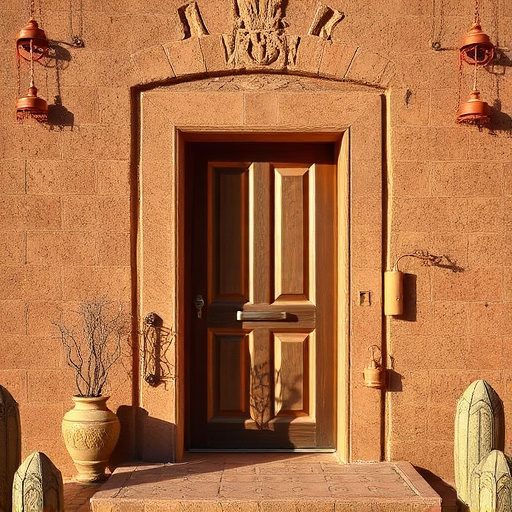
The desert climate in door cost Tucson presents unique challenges for garage doors. Temperatures can soar above 100F during the summer, causing materials to expand, contract, and degrade at an accelerated rate. When replacing an old door, understanding how different materials react to this environment is crucial. Wood, though aesthetically pleasing, can warp and rot when exposed to consistent high heat and humidity, necessitating frequent replacement.
Steel doors are a popular choice for their durability and resistance to warping. They maintain their shape better than wood under extreme heat, offering a longer-lasting solution. However, steel doors may conduct heat, potentially increasing cooling costs within the garage. To mitigate this, consider doors with a high R-value for insulation, which can significantly reduce heat transfer. Local building codes in Sahuarita and surrounding areas often mandate specific insulation levels for energy efficiency, so consult with a family run Tucson garage door business to ensure compliance.
When selecting a new door, colors inspired by the region's stucco architecture can enhance curb appeal. Light, reflective colors bounce heat away, making them more suitable for the desert climate. Consider doors with windows, but ensure they're properly sealed to prevent heat gain. Carriage house garage doors, for instance, offer a classic look with operable windows, allowing for natural ventilation. Yet, they require regular cleaning to remove dust and debris, a low-maintenance consideration when choosing a design.
Old door removal and disposal is an essential step. A licensed technician will safely remove the existing door, ensuring proper disposal according to local regulations. This process is critical for maintaining a clean, safe environment and preventing waste from ending up in Tucson's landfills. By understanding the specific demands of the desert heat and selecting materials accordingly, homeowners can invest in a durable, efficient, and aesthetically pleasing garage door that stands the test of time.
Old Door Removal: A Step-by-Step Guide
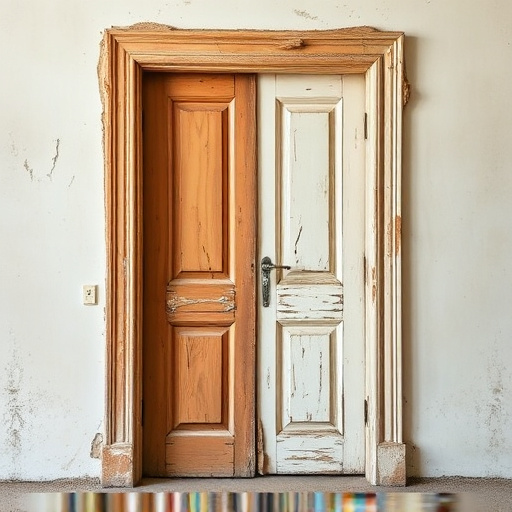
When replacing your old garage door, proper removal and disposal are crucial for a successful installation and a smooth project. This process varies depending on the material of the existing door, with each type requiring specific considerations. A wood composite door, common in many Tucson homes, may require different steps than a steel or aluminum door.
The first step is to assess the condition of the old door. If it's made of wood composite, you might notice some rot or warping, especially in older homes. These issues need addressing before removal to ensure a level playing field for the new door. An experienced Tucson garage door installer recommends checking for any signs of damage or wear and replacing any worn-out components before beginning the disposal process. For aluminum doors, look out for signs of corrosion, which can impact the door's functionality and aesthetics.
Next, gather the necessary tools. You'll likely need a set of bolt cutters, a pry bar, and a power drill with appropriate bits. These tools will help you disassemble and remove the old door. For steel doors, a thick set of gloves is essential, as they can be heavy and difficult to maneuver. Once you have everything ready, carefully take off the door panels, unbolt the track, and separate the door from the frame. In many cases, especially with wood composite doors, the process involves removing the door springs and cables, which can be dangerous and should be handled with care. After the door is removed, properly dispose of the old components according to local building codes and any specific regulations regarding hazardous materials, like old door springs.
Eco-Friendly Disposal Options for Old Garage Doors
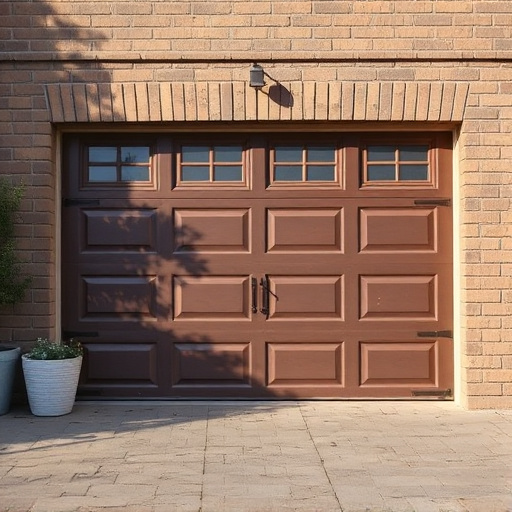
When replacing your garage door, especially in the desert climate of Tucson, proper disposal of the old door is an important yet often overlooked aspect. As you consider the many options for new garage doors, from steel to wood, it's crucial to think about the environmental impact and how to handle the removal and disposal of the old one. An experienced Tucson garage door installer can provide guidance on this process, ensuring not only energy efficiency but also responsible recycling.
Choosing the right material for your new door, such as steel, is a key step in enhancing energy efficiency in your Arizona home. Steel doors are known for their superior insulation properties, with an R-value that can significantly reduce heat transfer. This is particularly important in hot desert environments where maintaining a comfortable interior temperature can be challenging and costly. When replacing your old door, an installer can help determine if the new steel door should be paired with upgraded insulation or other energy-saving features.
Old door removal and disposal is a process that requires careful consideration. Many doors, especially older models, may contain hazardous materials like lead or asbestos, making proper disposal a critical step. Some local building codes and home associations have specific rules regarding door removal and recycling. The Tucson Homeowners Association may have guidelines on acceptable disposal methods. Your installer can work with local regulations and recycling centers to ensure that the old door is handled responsibly, potentially reducing your environmental footprint and contributing to a more sustainable community.
To energy-efficient door choices, there are various disposal options to explore. Some recycling centers accept old garage doors, allowing the materials to be repurposed or reused. For doors with non-hazardous materials, these centers can provide a convenient and eco-friendly solution. Alternatively, certain businesses specialize in metal recycling, offering a way to recover valuable materials from the old door. This circular approach to construction and disposal is a growing trend in the industry and aligns with the goals of many Tucson homeowners looking for sustainable solutions.
Frequently Asked Questions About an explainer on garage door materials that hold up to desert heat
What are the most suitable materials for a garage door in a desert climate?
In desert environments, extreme heat and UV exposure demand garage door materials that can withstand the harsh conditions. Steel, particularly pre-treated and galvanized varieties, is a top choice due to its durability and resistance to rust and corrosion. Fiberglass and vinyl also perform well, offering good insulation properties and minimal expansion and contraction in the heat.
How can I tell if a garage door is made of suitable desert-friendly materials?
Look for the following:
- Steel gauge: Thicker steel (higher gauge) offers better durability.
- Coatings: Ensure the door has a quality galvanized finish or powder coat for protection against rust and UV damage.
- Material composition: Fiberglass and vinyl doors are often clearly labeled as suitable for warm climates.
- Manufacturer's claims: Reputable manufacturers will highlight if their doors are designed for desert environments.
Will a desert-rated garage door be more expensive?
While some desert-specific materials, like premium galvanized steel, might carry a higher upfront cost, investing in a door designed for the harsh desert environment can pay off in the long run. These doors tend to have longer lifespans and require less maintenance, potentially saving you money in repairs and replacement.
What other factors should I consider when choosing a garage door for a desert home?
To material, consider:
- Insulation: A well-insulated door helps regulate indoor temperature and reduces energy loss.
- Openness: Single-car doors offer better airflow, aiding in cooling the garage.
- Automatic opening: Consider a door with an automatic opener to avoid manual operation in extreme heat.
How often should I inspect my desert garage door for damage?
Regular inspections, at least every six months, are crucial in desert environments. The extreme heat and fluctuations in temperature can cause wear and tear. Look for signs of rust, warping, loose hinges, or other damage.
Can I paint a garage door to protect it from the desert sun?
While painting can add an extra layer of protection, it's not a substitute for using materials inherently designed for desert conditions. However, if you do choose to paint, use a high-quality, UV-resistant latex paint specifically formulated for exterior use.
As you've navigated this guide to selecting and maintaining garage doors in the challenging conditions of Tucson's desert climate, it's clear that choosing the right materials is key. Understanding how heat, wind, and other environmental factors affect your door, along with knowing the best practices for old door removal and disposal, can significantly enhance your investment's longevity.
The article has highlighted several crucial insights. First, when selecting materials, consider steel and aluminum for their superior heat resistance, durability, and low maintenance. Insulated doors, with an R-value tailored to our region's needs, offer additional energy efficiency. For a touch of modern aesthetic appeal, glass doors with high-quality coatings can enhance curb appeal while still resisting the heat.
Understanding the step-by-step process of old door removal and disposal is essential. Proper disposal of these materials, many of which can be recycled, is an eco-friendly practice that contributes to the sustainability of our region.
Taking these practical steps and considerations to heart will ensure your garage door not only withstands the harsh desert climate but also adds value to your home. By making informed decisions, you're not just investing in a door; you're making an investment that stands the test of time in door cost Tucson.
Choosing heat-resistant garage door materials in Tucson's desert climate is crucial. Steel and Clopay brand products excel due to their durability and heat resistance. Natural wood finishes complement stucco homes while providing insulation. Regularly replacing old doors is essential. Removal involves assessing damage, using proper tools, disassembling, and disposing according to local codes and recycling guidelines. This process reduces environmental impact and contributes to energy efficiency. Old doors may contain hazardous materials, necessitating responsible disposal.