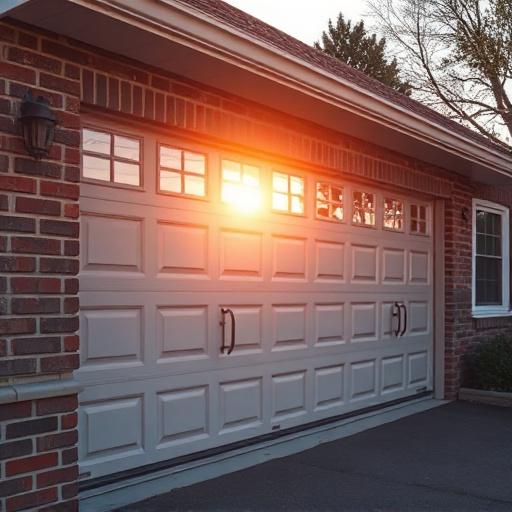
In the scorching desert climate of door cost Tucson, choosing the right garage door is crucial not just for functionality but also for maintaining curb appeal. The harsh conditions present a challenge for materials, testing their limits against heat, wind, and desert dust. This article is your practical guide to understanding garage door materials and their performance in such an environment. We'll explore the pros and cons of popular choices like steel, wood, and insulated doors, highlighting the key factors that ensure your door not only withstands the desert heat but also enhances the overall look of your home, contributing to its overall curb appeal.
- Choosing Durable Garage Door Materials for Desert Climes
- Heat Resistance: Key Factors for Long-Lasting Garage Doors
- Maintenance Tips: Preserving Curb Appeal in Hot Environments
- Energy Efficiency: Cooling Costs with Desert-Ready Garage Doors
Choosing Durable Garage Door Materials for Desert Climes
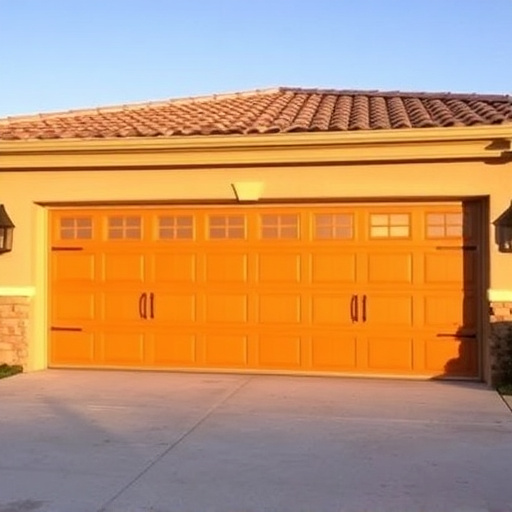
Choosing the right garage door materials for a desert climate like Tucson is essential to ensure longevity, curb appeal, and energy efficiency. In regions characterized by high temperatures, intense sunlight, and strong winds, such as Vail or Sahuarita, selecting durable doors becomes a top priority. The challenge lies in finding materials that can withstand these harsh conditions without compromising aesthetics or functionality.
Steel and aluminum doors are popular choices for desert homes due to their strength and resistance to corrosion. These materials offer excellent wind ratings, crucial for securing your home in areas prone to powerful gusts. A well-installed steel door with a high-quality finish can effectively resist heat transfer, keeping your interior cool. Their low maintenance requirements make them a practical option for busy homeowners. In contrast, wood doors, while aesthetically pleasing, may not be the best choice for desert environments. They can expand and contract with temperature changes, leading to warping or misalignment over time. To maintain their beauty, wood doors require regular sealing and painting, adding to the overall upkeep.
For insulation, garage doors play a vital role in a home's energy efficiency. Opting for insulated doors with a high R-value can significantly reduce heat transfer, cutting down on cooling costs. Many modern insulated doors come with advanced sealing systems, ensuring a tight fit and maximum energy savings. For ranch homes or properties with an RV garage, custom door manufacturers offer solutions tailored to specific needs, providing both functionality and curb appeal. Consider the local building codes and HOA rules regarding door styles and colors to ensure your new garage door meets all requirements. When selecting a door, trust experts like Eddies Garage Door Service to guide you, ensuring a quality installation that stands the test of time in the desert climate.
Heat Resistance: Key Factors for Long-Lasting Garage Doors
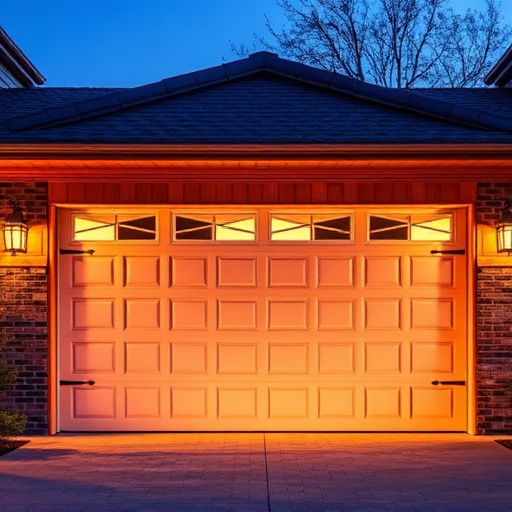
In the scorching desert heat of Sahuarita and its environs, choosing the right garage door is more than just a matter of aesthetics; it's about ensuring longevity, functionality, and curb appeal. Heat resistance is a critical factor when selecting materials, as the intense sun and high temperatures can take a toll on even the sturdiest doors. The right choice can protect your property, enhance energy efficiency, and preserve the overall appeal of your Spanish colonial-style home, especially when paired with the area's distinctive stucco architecture.
For heat resistance, steel and wood doors are the top contenders. Steel doors, known for their strength and durability, offer superior resistance to heat expansion and contraction, making them ideal for extreme climates. They're also less prone to warping or cracking, ensuring they maintain their structural integrity over time. Wood doors, particularly those with a high-quality finish, can also hold up well in desert conditions. Real wood is an excellent insulator, and when treated properly, it can withstand the heat. A local Tucson and Oro Valley garage door company might recommend a durable finish like a heat-cured polyurethane to protect wood doors from the harsh sun.
Insulation matters in maintaining comfortable indoor temperatures. Garage doors with better insulation can reduce heat transfer, keeping your home cooler in the summer. The R-value, a measure of a material's resistance to heat flow, is an essential consideration. Higher R-values indicate better insulation, and you'll want to look for doors with values that meet or exceed local building codes and energy conservation programs. In Sahuarita, where homes often feature stucco exteriors, a garage door that complements the building's insulation can enhance energy efficiency and reduce cooling costs. For a modern glass garage door, consider a double-glazed design, which includes an air pocket to provide excellent insulation, thus resisting heat and noise.
Lastly, when choosing a garage door, don't overlook the importance of local aesthetics and HOA rules. In a Spanish colonial-inspired neighborhood, a carriage house-style door or a modern glass door with subtle grid patterns can seamlessly blend with the architecture. Always check with your Homeowners Association for any specific guidelines regarding door styles and colors, ensuring your new garage door not only enhances curb appeal but also adheres to community standards.
Maintenance Tips: Preserving Curb Appeal in Hot Environments
In door cost Tucson, maintaining garage door curb appeal in hot, arid environments requires specific considerations to ensure longevity and aesthetic appeal. Desert heat presents unique challenges, demanding materials and installations that can withstand extreme temperatures, high wind loads, and minimal maintenance. One effective approach involves choosing composite wood doors, which offer superior durability and a natural, attractive appearance. These doors are engineered to handle the harsh conditions, with a core made from dense, water-resistant materials like fiberboard or plywood, surrounded by layers of real or synthetic wood veneers. This construction resists warping, cracking, and fading, ensuring your garage door maintains its curb appeal for years.
To enhance and preserve garage door curb appeal, consider the impact of decorative hardware. While functional components like springs and tracks are essential, decorative elements like handles, hinges, and lights can significantly improve the overall look. Opting for weather-resistant hardware specifically designed for outdoor use is crucial, as it prevents rust and corrosion, maintaining the door's aesthetic and structural integrity. Oil-rubbed bronze or stainless steel handles and hinges can add a touch of elegance while withstanding the desert climate. Investing in high-quality, energy-efficient garage door openers can contribute to both performance and curb appeal by ensuring smooth, quiet operation.
Regular maintenance matters in preserving garage door curb appeal. Keeping the door's moving parts well-lubricated and regularly inspecting for signs of wear and tear can prevent premature failures. A local Tucson garage door technician recommends inspecting the door's balance, tension, and alignment at least once a year. Proper sealing around the door's perimeter is also critical, as it prevents hot air from entering and cold air from escaping, contributing to energy efficiency and maintaining the door's visual appeal. During hot months, consider using door insulation to mitigate heat transfer, enhancing both comfort and curb appeal.
Energy Efficiency: Cooling Costs with Desert-Ready Garage Doors
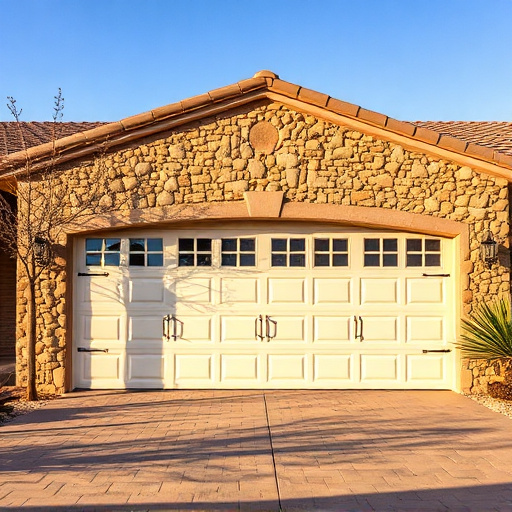
Choosing the right garage door for energy efficiency in Arizona is a smart investment for Tucson homeowners, especially when facing the region's scorching desert heat. The right door can significantly reduce cooling costs by minimizing heat transfer, providing both comfort and cost savings. For a Spanish colonial-inspired home, for instance, a well-insulated, energy-efficient door can enhance the overall aesthetic of your curb appeal while keeping your interior cool.
Garage doors that resist heat often come with advanced insulation features, like double-layer construction and specialized foams that trap heat outside. These doors are designed to keep your garage cool, which in turn prevents excess heat from entering your living space. The door's R-value, a measure of its insulation effectiveness, is a crucial factor. Higher R-values indicate better insulation, which translates to lower energy costs. For desert homes, a minimum R-value of 15 is recommended, ensuring your garage door performs as an effective heat barrier.
When selecting a door, remember that energy efficiency isn't just about insulation. Consider the door's overall design and materials. Modern glass garage doors, for example, can be an excellent choice for natural light and a sleek look, but they might require additional insulation to prevent heat gain. Conversely, carriage house doors or faux wood options can offer both insulation and a traditional aesthetic, aligning with the local Spanish colonial style. Always check with your HOA for approved styles and materials to ensure your curb appeal and energy efficiency go hand in hand.
For a seamless transition, many homeowners choose to replace both the door and opener together. This ensures compatibility and often leads to greater energy savings. When comparing brands, Eddies Garage Door Service recommends looking for doors with Energy Star ratings and advanced features like wind-rated construction, which can better withstand the region's occasional strong winds. Remember, the right door not only boosts your home's curb appeal but also contributes to a more comfortable, energy-efficient living space.
Frequently Asked Questions About an explainer on garage door materials that hold up to desert heat
What are the key considerations when choosing garage door materials for a desert climate?
When selecting garage door materials for a desert environment, prioritize heat resistance, durability, and insulation. Opt for materials like aluminum, galvanized steel, or composite options, which reflect sunlight and dissipate heat efficiently. Avoid uninsulated wooden doors, as they can absorb heat, leading to increased interior temperatures. Consider high-quality, thermal-resistant hardware and a well-insulated door bottom to minimize heat transfer.
How do extreme temperatures affect traditional garage doors?
Traditional wood and uninsulated steel doors are susceptible to extreme desert temperatures. High heat can cause wooden doors to expand, leading to warping and misalignment. Uninsulated metal doors may bend or twist, affecting the door's balance and opening mechanism. These issues can result in frequent repairs, reduced life expectancy, and added maintenance costs.
Are there any local regulations or building codes to consider when replacing a garage door in Tucson?
Yes, Tucson, like many desert cities, has specific building codes and regulations regarding garage door installations. These guidelines often include minimum insulation requirements, door strength standards, and safety features for automatic openers. It's essential to ensure your chosen materials and door design comply with these codes to avoid permit issues and potential safety hazards.
What are the benefits of investing in a high-quality, heat-resistant garage door?
A premium, heat-resistant garage door offers several advantages. It can significantly reduce energy costs by minimizing heat transfer into your home, leading to a more comfortable interior environment. These doors are less prone to damage from extreme temperatures, ensuring a longer lifespan. They enhance the security of your property, as reinforced materials and robust construction make them more resistant to forced entry.
Can a garage door specialist help with the installation process?
Absolutely. Garage door installation requires specialized skills and equipment. A Tucson garage door specialist, such as Eddies Garage Door Service, can ensure your new door is properly installed, aligned, and functioning safely. They can also provide expert advice on the best materials and designs for your specific needs and climate.
When selecting garage door materials for a desert home, prioritizing heat resistance and energy efficiency is crucial. Understanding the specific demands of hot climates ensures your door not only endures but also contributes to lower cooling costs. The right materials, like high-quality steel or insulated options, can significantly impact your home's curb appeal and long-term value, as evidenced by local building codes and Tucson Homeowners Association guidelines.
By integrating these features, you can achieve a durable, aesthetically pleasing door that resists heat transfer, reduces noise, and aligns with desert-inspired landscaping ideas. Regular maintenance, including cleaning and inspection, is key to preserving your door's performance and appearance.
In the end, investing in a garage door that's built to handle the desert environment is a smart decision. It not only protects your vehicle and belongings but also enhances the overall look and energy efficiency of your home, ensuring your property remains a valuable asset in the heart of door cost Tucson.
In extreme desert climates like Tucson, choosing the right garage door is crucial for curb appeal, energy efficiency, and longevity. Steel and aluminum doors offer superior wind resistance and heat transfer reduction, while wood doors, properly treated, can also withstand the heat. Insulated doors with high R-values significantly improve energy efficiency. Composite wood doors are durable and aesthetically pleasing, with core materials like fiberboard and real wood veneers. Regular maintenance, including sealing and lubricating moving parts, is vital for preserving curb appeal and performance. Consider door styles and colors that align with local building codes and HOA guidelines for a seamless blend with your home's architecture.