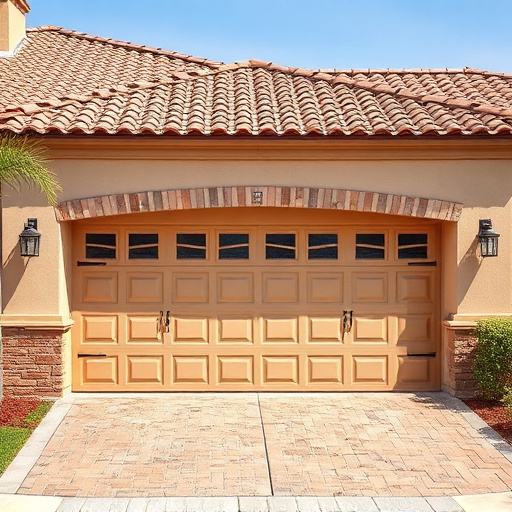
In the hot, sunny climate of door cost Tucson, energy-efficient garage doors aren't just a smart choice; they're a necessity. As homeowners seek ways to lower utility bills and contribute to a more sustainable future, these doors offer a compelling solution. However, navigating the options available and understanding local regulations, like HOA rules for garage doors, can be challenging. This guide cuts through the clutter, providing expert insights into the most efficient garage door styles for desert homes, their benefits, and installation best practices. By the end, you'll be equipped to make informed decisions, enhancing your home's curb appeal while saving energy and money.
- Understanding Energy Efficient Garage Doors in Arizona
- Navigating HOA Rules for Garage Door Upgrades
- Key Features of Energy-Saving Garage Door Options
- Installation, Maintenance, and Long-Term Savings
Understanding Energy Efficient Garage Doors in Arizona
Understanding Energy Efficient Garage Doors in Arizona
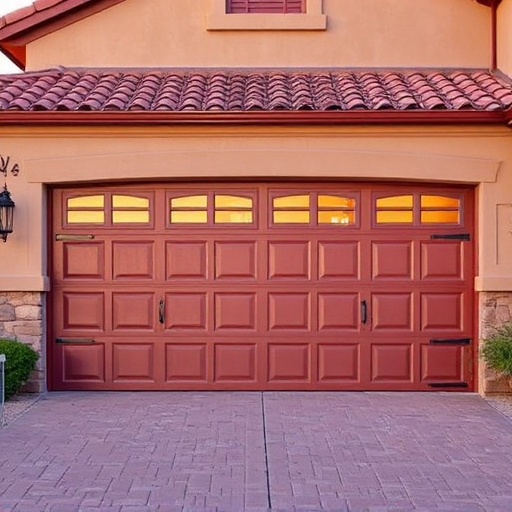
In Arizona's desert climate, selecting a garage door that balances functionality with energy efficiency is crucial. Homeowners often overlook the door as a potential source of energy loss, but a well-chosen, insulated door can significantly impact utility bills. When considering new garage door options in Tucson, understanding local regulations, material choices, and energy-saving features is essential. The Tucson Homeowners Association (HOA) has specific guidelines regarding garage doors, focusing on curb appeal and energy conservation.
Steel and wood composite doors are popular choices for their durability and insulation properties. Steel doors are known for their strength and resistance to heat, while wood composite doors offer a more aesthetically pleasing option, available in various styles to complement homes featuring stucco or other desert-inspired landscaping. When selecting a door, consider its R-value, a measure of insulation effectiveness. Higher R-values indicate better energy efficiency, helping to keep your home cool in the summer and warm in the winter. Energy Star-rated doors are another excellent choice, as they meet strict energy efficiency guidelines.
Garage door installation is a complex process, and it's crucial to follow proper steps to ensure energy efficiency. A licensed professional, like Eddies Garage Door Service, can guide homeowners through the process, ensuring the door is properly sealed and all openings are sealed to prevent air leaks. They can recommend features such as wind-rated doors, which are designed to withstand the region's occasional powerful winds, and doors with windows, offering natural light while maintaining insulation. Choosing a door that aligns with HOA rules and offers top-notch energy efficiency is key to lowering utility costs and contributing to a more sustainable home.
Navigating HOA Rules for Garage Door Upgrades
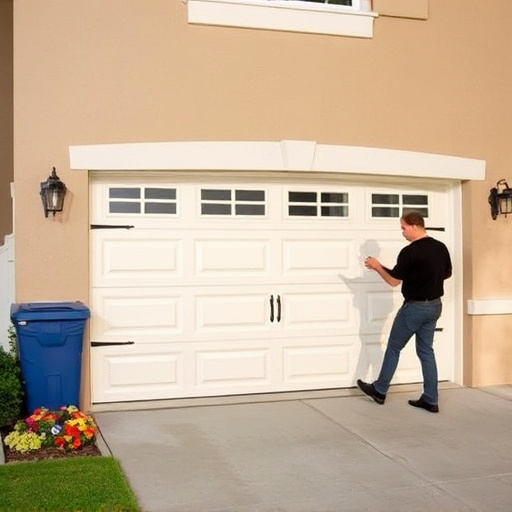
Navigating Homeowners Association (HOA) rules for garage door upgrades in Arizona can be a key factor in choosing the right energy-efficient door. Many HOAs have specific guidelines regarding garage door styles, materials, and insulation levels. Some associations might mandate low-e coatings or specific R-value levels for insulation, especially in extreme climates like Arizona's. It's crucial to review your HOA's rules before making a purchase to ensure your chosen door complies.
Eddies Garage Door Service, a local Tucson expert, often encounters clients who are unfamiliar with these regulations. We advise them to check their HOA's website or contact their management office directly. The process typically involves requesting a copy of the HOA's design guidelines, which will outline permitted door types, colors, and other aesthetic considerations. For energy-efficient doors, the guidelines may specify minimum R-values, weatherproofing standards, or even encourage the use of solar-powered openers. Understanding these requirements is essential to avoid delays or fines.
Once you've identified doors that meet HOA standards, consider the specific needs of your home and climate. In desert regions like Tucson, for example, a well-insulated, steel door with a high R-value can significantly reduce heat transfer and lower cooling costs. Carrying a door that matches your home's architecture and aesthetic preferences while adhering to HOA rules ensures a seamless upgrade. Remember, choosing the right garage door for energy efficiency isn't just about saving money; it contributes to a more sustainable and comfortable living environment, especially in Arizona's unique climate.
Key Features of Energy-Saving Garage Door Options
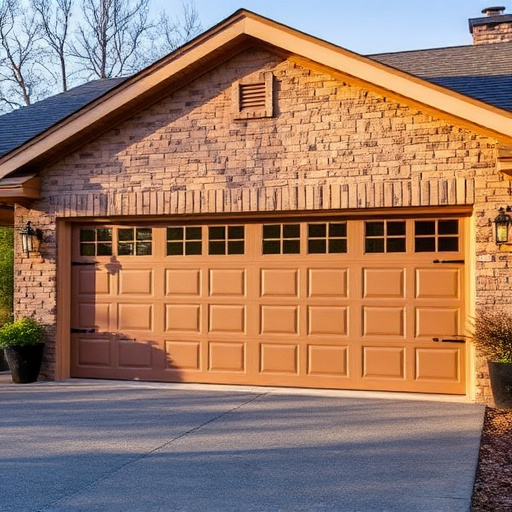
Energy-efficient garage doors offer a practical way to reduce energy costs and improve your home's overall energy performance. When considering a new door, understanding the key features that contribute to energy savings is crucial. One of the primary aspects to look for is the door's insulation-the better it is insulated, the less heat transfer occurs between the interior and exterior, keeping your home cool in the summer and warm in the winter. Polystyrene insulation is a popular choice for garage doors due to its lightweight yet robust nature, often filling the door's frame and panel gaps to create a solid barrier. Some manufacturers even incorporate advanced insulation techniques, such as foam-in-place, for enhanced energy efficiency.
Another critical factor is the door's construction material. Steel and wood doors are common options, each with its advantages. Steel doors, for instance, are known for their durability and security, but they can conduct heat more readily. To combat this, look for doors with added insulation or specialized coatings designed to reflect heat. Wood doors, on the other hand, offer natural insulation properties and can be more aesthetically pleasing, but they may require more maintenance. Modern wood doors often incorporate advanced manufacturing techniques, like engineered lumber, to improve their structural integrity and energy efficiency.
HOA rules for garage doors can also impact your energy-efficient door choices. Many Tucson-area HOAs have specific guidelines regarding door style, color, and materials. Some may require doors that align with the neighborhood's desert-inspired aesthetic, or they might have noise pollution considerations, dictating the type of insulation and installation methods allowed. A garage door company serving Tucson and Oro Valley can provide guidance on navigating these rules and recommend doors that meet both HOA requirements and energy efficiency standards. Carriage house doors or modern glass doors with advanced sealing mechanisms can offer both visual appeal and energy savings while adhering to local HOA rules.
Installation, Maintenance, and Long-Term Savings
When considering energy-efficient garage doors in Arizona, like many homeowners, you're likely looking at both cost and long-term benefits. Installation, maintenance, and the subsequent savings are key factors in this equation. Understanding local rules, such as those from the Tucson Homeowners Association, is crucial. These regulations often dictate materials, colors, and even insulation levels for garage doors. A rule about wind ratings for doors in a particularly windy part of town could significantly impact your choice.
Eddies Garage Door Service, a local Tucson company, recommends starting with Amarr or Wayne Dalton, leading brands known for their energy-efficient models. These doors often come with R-value ratings, indicating their insulation power-higher R-values mean better heat retention and reduced energy loss. Proper installation is vital; it's best to have it done by professionals who understand local building codes and your specific door model. Following installation, regular maintenance ensures optimal performance and energy savings. This includes keeping the door tracks clean, lubricated, and free from debris, as well as inspecting the door springs for tension every few years.
Over time, energy-efficient doors can lead to significant cost savings on your utility bills. While the initial investment may be higher, the long-term benefits make a compelling case for upgrade. With careful selection and installation, you may be eligible for tax incentives or rebates through programs like the Tucson Electric Power's energy-saving initiative. Remember, choosing the right door for your desert home isn't just about aesthetics; it's an investment in comfort and energy conservation.
What are energy-efficient garage doors?
Energy-efficient garage doors are designed to reduce energy loss and minimize heat transfer between the garage and living space. They often feature insulation, weatherstripping, and high-performance materials that help maintain a comfortable indoor temperature while saving on heating and cooling costs.
Why are energy-efficient garage doors important in Arizona?
In Arizona's hot climate, keeping your home cool can be energy-intensive and expensive. Energy-efficient garage doors help maintain a comfortable indoor temperature by preventing heat from entering the garage, where it can accumulate and radiate into the rest of the house. This reduces cooling costs and makes your home more comfortable.
What are the benefits of installing an energy-efficient garage door?
Installation of an energy-efficient garage door can lead to:
- Lower energy bills: By reducing heat transfer and minimizing air leakage, these doors help lower your heating and cooling expenses.
- Improved indoor comfort: A cooler garage keeps your car and belongings comfortable, especially in the hot Arizona summer.
- Increased home value: Energy-efficient features are increasingly desirable to homebuyers, potentially increasing your home's resale value.
How do I know if I need an energy-efficient garage door?
Consider the age of your current door, your home's climate, and your energy bills. Older doors are less efficient and may be costing you money. If your garage door is drafty, feels hot to the touch, or your energy bills are high, an energy-efficient upgrade may be warranted.
What types of energy-efficient garage doors are available?
Several options are available, including:
- Insulated doors: Made with foam core insulation for maximum energy efficiency.
- Composite doors: Made from a combination of materials, offering durability and good insulation properties.
- Wood doors: Natural wood doors can be insulated for enhanced energy performance.
How much does it cost to install an energy-efficient garage door?
The cost of installation varies depending on the type of door, size, and complexity of the job. Eddies Garage Door Service, a licensed Tucson garage door company, can provide you with a free estimate based on your specific needs.
Does my homeowner's insurance cover energy-efficient garage door upgrades?
Some homeowner's insurance policies may offer incentives or discounts for making energy-efficient upgrades. Contact your insurance provider to learn about their specific policies.
Choosing energy-efficient garage doors in Arizona, like those compliant with local HOA rules for garage doors, is a smart investment. By understanding the key features, such as insulation R-values and steel versus wood options, homeowners can make informed decisions. Installation, maintenance, and long-term savings are crucial considerations. Following best practices, including proper insulation and noise reduction, ensures not only comfort but also significant energy savings. Adhering to HOA rules for garage doors maintains property values and avoids potential fines. With the right door, opener, and installation, homeowners in Tucson can enjoy a more efficient, quieter, and aesthetically pleasing garage, contributing to a home's overall curb appeal and resale value.
Energy Efficient Garage Doors in Arizona: Key Takeaways
- Climate-Conscious Choice: In Arizona's desert climate, energy-efficient garage doors significantly impact utility bills.
- HOA Guidelines: Tucson Homeowners Associations (HOAs) have specific rules on door style, material, and insulation, impacting choices; check the HOA's design guidelines.
- Insulation and Materials: Prioritize doors with high R-values for insulation; steel and wood composite doors offer durability and aesthetic appeal.
- Professional Installation: Proper installation is crucial; licensed professionals ensure energy efficiency and seal air leaks.
- Long-Term Savings: Energy-efficient doors reduce utility costs, with potential tax incentives; regular maintenance ensures optimal performance.
- Navigating Regulations: Understand local building codes and HOA rules to ensure door compliance; consult with garage door specialists.