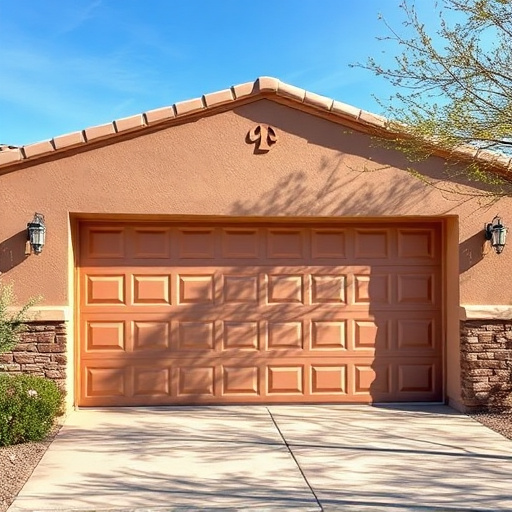
In the sunny, desert climate of door cost Tucson, choosing the right garage door is more than just an aesthetic decision-it's a strategic investment in your home's comfort and value. With a range of styles, materials, and insulation options, selecting the right door can be overwhelming. Homeowners often struggle to balance energy efficiency, curb appeal, and budget. This article offers a practical guide to understanding the key differences between insulated and non-insulated garage doors, with a special focus on carriage house garage doors, a popular choice in our region. By the end, you'll be equipped to make an informed decision that keeps your home cool, comfortable, and secure.
- Understanding Garage Door Types in Southern Arizona
- Advantages of Insulated Carriage House Garage Doors
- Non-Insulated Doors: Costs and Considerations
- Local Installation, Maintenance, and Expert Advice
Understanding Garage Door Types in Southern Arizona
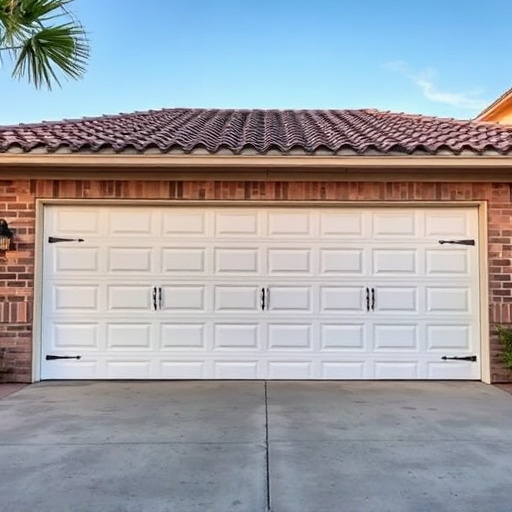
In southern Arizona, understanding garage door types is crucial for homeowners looking to enhance security, curb appeal, and energy efficiency. When considering options, the choice between insulated and non-insulated doors is a significant decision. Insulated doors, with their enhanced R-value, offer superior thermal protection, leading to reduced energy costs. A door with an R-value of 16 can insulate your garage, making it as comfortable as the rest of your home. This is particularly important in the region's hot desert climate, where maintaining a cool garage can extend the life of vehicles and protect them from sun damage.
One popular and aesthetically pleasing option in this area is the carriage house garage door. These doors, characterized by their horizontal tracks and overhead opening, exude a charming, historic look. They are ideal for homes with a traditional or craftsman style and often feature a wooden construction, offering both beauty and durability. However, traditional carriage house doors may not be as energy-efficient as their insulated counterparts, as they lack the built-in barriers that prevent heat transfer. Here, a family run Tucson garage door business can guide homeowners toward suitable options, ensuring that the chosen door meets both aesthetic and functional criteria.
Known for their high-quality, durable construction, Wayne Dalton doors offer a range of styles, including insulated variants. These doors are designed to withstand the region's environmental challenges, from extreme temperatures to strong winds. Many local building codes in door cost Tucson areas mandate specific insulation levels for new installations, further emphasizing the importance of insulated doors. Homeowners can ensure compliance with these codes and contribute to a more energy-efficient home by selecting a door with the appropriate R-value, typically between R-10 and R-16 for southern Arizona.
HOA approval is another consideration for Tucson homeowners. Many communities have specific guidelines regarding garage door styles, colors, and materials. Carriage house garage doors can be a viable option, provided they meet the HOA's aesthetic and functional requirements. Homeowners should consult with a local garage door specialist to understand the HOA rules and choose a door that aligns with both community standards and their personal preferences. This ensures a seamless installation process and avoids any potential disputes with neighbors or the HOA.
Advantages of Insulated Carriage House Garage Doors
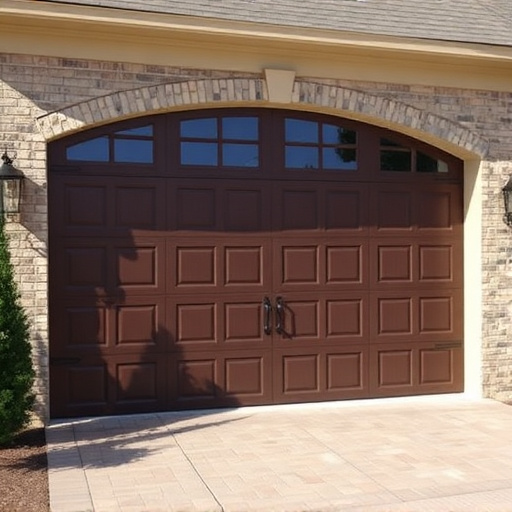
Carriage house garage doors offer a unique blend of aesthetics and functionality, making them a popular choice for homeowners in southern Arizona. These doors, characterized by their horizontal panels that mimic the look of a carriage house, provide an elegant solution for those seeking to enhance their home's curb appeal while ensuring optimal energy efficiency. The advantages of choosing insulated carriage house garage doors are multifaceted, addressing both visual and practical concerns.
In this desert climate, insulation is crucial for maintaining a comfortable indoor temperature. Insulated carriage house doors, typically made with materials like polystyrene or fiberglass, create a barrier against the intense heat, helping to keep homes cool during the sweltering summer months. This feature is not just about comfort; it significantly reduces energy costs associated with air conditioning, aligning with the goal of many Tucson homeowners to lower their utility bills. These doors excel in wind load resistance, a critical consideration in areas prone to strong winds, such as southern Arizona. The robust design ensures that your garage remains secure and your belongings protected, even during intense weather conditions.
When considering the aesthetic appeal, carriage house doors offer a versatile option. They can be customized to match a home's architectural style, from traditional to modern. A local Tucson garage door technician might recommend Amarr's premium carriage house door collection, known for its superior craftsmanship and customizable finishes. Homeowners can choose from a range of colors, textures, and window styles to create a door that not only complements their home's exterior but also enhances its overall value. HOA approval is often sought after for such installations, and these doors typically meet or exceed the requirements of local building codes and desert landscaping ideas, ensuring a seamless and approved transformation.
Non-Insulated Doors: Costs and Considerations
Non-insulated garage doors, often a more affordable option in door cost Tucson, have their own set of advantages and considerations. When comparing carriage house garage doors or other styles to their insulated counterparts, it's crucial to understand the energy efficiency trade-offs. While non-insulated doors can be a budget-friendly choice, they may not offer the same level of energy efficiency as their insulated peers, especially in the desert climate of southern Arizona.
In a region characterized by hot, dry summers and mild winters, energy-efficient design is paramount. Non-insulated doors, by their nature, allow heat to easily transfer in and out of the garage, leading to increased heating and cooling costs. To mitigate this, some homeowners opt for window inserts as a cost-effective way to add insulation and reduce heat transfer. However, these fixes may not be as effective as a properly insulated door in maintaining a comfortable indoor temperature. A Tucson garage door specialist may recommend a full-insulated door with an R-value suitable for the local climate to significantly lower energy bills and enhance overall comfort.
When choosing between carriage house garage doors or other styles, homeowners should consider the long-term savings of energy efficiency. While the initial door cost Tucson of an insulated door might be higher, the investment pays off over time through reduced utility expenses. Some local building codes and energy conservation programs offer incentives for installing energy-efficient doors, further lowering the overall cost. The Tucson Homeowners Association might have specific guidelines regarding garage door insulation, aligning with regional energy-saving initiatives.
Local Installation, Maintenance, and Expert Advice

When selecting a new carriage house garage door for your Southern Arizona home, the decision between insulated and non-insulated options is crucial, impacting both initial cost and long-term maintenance. A local Tucson garage door technician emphasizes the importance of understanding your specific needs and climate. In this arid environment, the right door can significantly reduce heat gain, providing energy efficiency and comfort.
Insulated doors, characterized by polyurethane insulation, offer superior protection against the intense desert heat. This type of door boasts an R-value-a measure of thermal resistance-of 1 to 3, which helps regulate indoor temperatures. On scorching 100-degree days, an insulated door acts as a barrier, preventing most of that heat from entering your home. Conversely, non-insulated doors offer little to no resistance to heat transfer, making them less efficient and potentially leading to higher energy costs.
The installation process itself can also impact energy savings. A skilled technician will ensure proper sealing around the door to minimize air leaks, a key factor in energy efficiency. They will also consider factors like door size and style, suggesting options that best suit your Spanish colonial-inspired home. Carriage house doors, with their elegant, horse-drawn carriage look, can complement the architectural style while still providing the benefits of insulation.
Choosing the right door isn't just about aesthetics and energy savings; it's also about maintenance. Insulated doors, while more expensive upfront, typically require less upkeep. They're less prone to warping or expanding with temperature changes, leading to longer life spans and fewer repairs. A local Tucson garage door specialist recommends regular inspection and maintenance, including lubricating hinges and tracking, to ensure your door operates smoothly and efficiently for years to come.
Frequently Asked Questions About a comparison of insulated and non insulated garage doors in southern Arizona
What is the primary difference between insulated and non-insulated garage doors?
The key distinction lies in energy efficiency. Insulated doors feature a layer of air or foam between two or more sheets of metal, blocking heat transfer and keeping your garage cooler in summer and warmer in winter. Non-insulated doors offer minimal protection against temperature extremes, making them less energy-efficient and potentially more expensive to heat or cool your home.
Which type of door is better for southern Arizona's climate?
Given the region's hot, dry summers and mild winters, insulated doors are generally recommended. They help regulate indoor temperatures, reducing the load on your air conditioning in summer and minimizing heat loss in winter, potentially saving you on energy bills.
Do insulated doors cost more than non-insulated ones?
Yes, insulated doors tend to be more expensive upfront due to their additional materials and manufacturing processes. However, their energy efficiency can result in long-term savings on your energy bills. Non-insulated doors are generally less costly to install but may cost more to operate over time.
How long does it take to install a garage door?
Most garage door installations take one to two days, depending on door size, complexity, and the specific needs of your property. Eddies Garage Door Service, for instance, strives to complete installations promptly, minimizing disruption to your daily routine.
Are there any local incentives or regulations regarding garage door insulation?
Tucson and Oro Valley may have local building codes and energy efficiency regulations that impact your choice. Some utilities or local programs may offer incentives for installing energy-efficient doors, so consult with a local garage door specialist like Eddies Garage Door Service to understand current options.
How often should I replace my garage door?
Garage doors typically last 10-20 years, depending on quality and maintenance. Regular inspections and lubricating hinges can extend their lifespan. If your door shows signs of wear, drafts, or makes unusual noises, it may be time for a replacement, enhancing safety and energy efficiency.
Choosing the right garage door for your southern Arizona home involves understanding both style and functionality. Carriage house garage doors, for instance, offer a distinctive, elegant look that complements local architecture styles, from modern glass to faux wood designs. Insulated options provide significant energy efficiency, reducing heating and cooling costs, and are especially valuable in the region's hot climate. While non-insulated doors are generally more affordable, they lack the insulation R-value that helps homes maintain comfortable temperatures.
When considering a new door, local building codes and HOA rules should guide your decision, ensuring compliance with door sizes, colors suitable for stucco homes, and wind ratings. Installation complexity and lead times vary, so consulting with experienced Tucson garage door specialists is crucial. These experts can offer advice on maintenance, noise insulation, and the latest door brands, ensuring a seamless and secure installation. Whether opting for insulated carriage house doors or a more cost-effective alternative, these insights empower homeowners to make informed choices, enhancing curb appeal and home value in the door cost Tucson market.
Garage Door Selection in Tucson: Insulated vs. Non-Insulated Carriage House Doors
In southern Arizona, insulated carriage house doors offer superior energy efficiency, reducing utility costs and extending garage and home comfort. They protect against intense desert heat with R-values up to 16, enhancing vehicle protection and home value. Non-insulated doors are cheaper but less efficient, allowing heat transfer and potentially increasing cooling costs. Local building codes often mandate insulation levels, and HOA approval may be needed for specific styles. A Tucson garage door specialist guides homeowners in making an informed decision, considering aesthetics, functionality, and energy savings.