Understanding Tucson Garage Doors
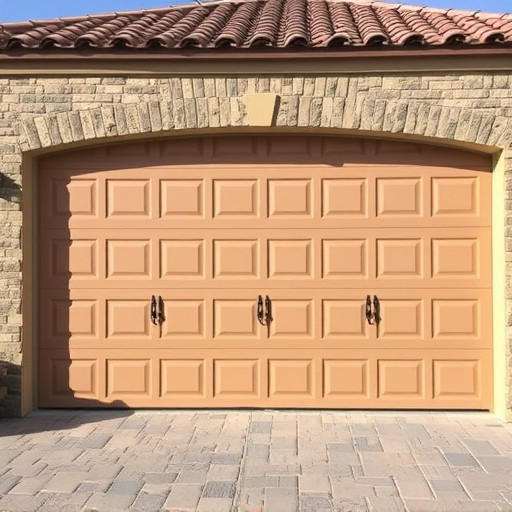
Tucson garage doors are a quintessential component of residential architecture, serving both functional and aesthetic purposes. They are the large doors on the side or back of a house that provide access to the garage space. These doors come in various materials, designs, and mechanisms, from traditional swing-out models to modern sectional and roll-up doors. Their significance extends beyond mere entry points; they contribute to home security, energy efficiency, and the overall curb appeal of a property.
Historically, garage doors have evolved from simple wooden panels to sophisticated automated systems with remote controls and smart technology integration. Tucson, with its unique climate and architectural trends, has influenced the design and functionality of these doors, leading to innovative solutions tailored to the local environment.
Global Impact and Trends
The impact of Tucson garage doors extends beyond local boundaries, influencing global markets and trends in home improvement and construction. The demand for durable, weather-resistant, and secure garage doors has led to advancements in materials like steel, aluminum, fiberglass, and composite wood. These materials are chosen not only for their longevity but also for their adaptability to various climates and aesthetic preferences.
Key trends shaping the trajectory of Tucson garage doors include a shift towards eco-friendly options, smart home integration, and customizable designs that cater to individual tastes and needs. The global influence is evident in the way Tucson’s design principles have been adopted and adapted across different regions, each bringing their local flavor to the functional element of garage doors.
Economic Considerations
The economic landscape of Tucson garage doors reflects a balance between cost-effectiveness, quality, and innovation. The market dynamics reveal a competitive yet collaborative environment where manufacturers, suppliers, and installers work to meet consumer demands. Investment patterns show a growing interest in upgrading home features, with garage doors being a significant portion of that investment.
In economic terms, Tucson garage doors play a role in stimulating job growth within the construction and home improvement sectors. They also contribute to the local economy through the supply chain, including raw material providers, manufacturers, distributors, and service professionals.
Technological Advancements
Technological advancements have revolutionized Tucson garage doors, making them safer, more efficient, and integrated with smart home systems. Innovations such as battery backup systems, solar-powered openers, and Wi-Fi connectivity for remote access and monitoring have become standard features. These advancements not only enhance convenience but also offer improved security measures, such as motion sensors and digital encryption technology.
The future potential of Tucson garage doors lies in the continued integration of smart technologies, energy efficiency improvements, and material science innovations that could lead to even more durable and sustainable options.
Policy and Regulation
Policies and regulations govern the manufacturing, installation, and maintenance of Tucson garage doors to ensure safety, accessibility, and energy efficiency standards are met. Building codes and homeowner association (HOA) guidelines often dictate the types of materials and designs allowed, particularly in communities with strict aesthetic controls.
Legislative frameworks also address the environmental impact of garage doors, promoting sustainable practices and setting benchmarks for energy consumption. These regulations help maintain the integrity of Tucson’s architectural character while encouraging innovation in design and technology.
Challenges and Criticisms
One of the main challenges facing Tucson garage doors is the balance between innovation, cost, and sustainability. Critics often cite the environmental impact of manufacturing and discarding large numbers of garage doors as a concern. Additionally, there are issues related to compatibility with existing homes and the integration of smart technologies for those without the technical expertise.
To address these challenges, industry stakeholders are exploring new materials that reduce the carbon footprint, designing products with longevity in mind, and educating consumers on the importance of proper maintenance and disposal.
Case Studies
Several case studies demonstrate the successful application of Tucson garage doors. A notable example is a local homeowner who replaced their outdated garage door with an insulated, smart-enabled model, significantly improving their home’s security and energy efficiency. Another case involves a community that overhauled its garage doors to maintain a cohesive architectural look while incorporating modern amenities and sustainability practices.
These case studies provide valuable lessons on the importance of choosing the right type of garage door for the local climate, the benefits of integrating smart technology early on, and the impact of a well-maintained garage door on property value.
Future Prospects
The future outlook for Tucson garage doors is promising, with advancements in materials science, smart home integration, and energy efficiency leading the way. Emerging trends include doors with self-repairing capabilities, enhanced security features, and designs that harmonize with the architectural character of Tucson homes.
Strategic considerations for manufacturers and installers focus on education and advocacy to ensure consumers understand the long-term benefits of investing in high-quality garage doors. The potential for growth is significant as long as the industry continues to adapt to changing consumer needs and global environmental concerns.
Conclusion
Tucson garage doors stand at the intersection of functionality, innovation, and community values. They are a testament to how local trends can have a global impact, influencing design, technology, and sustainability in the home improvement industry. As Tucson continues to grow and evolve, its garage doors will remain an integral part of the city’s architectural identity and economic landscape.
FAQ Section
-
What are the most popular materials for Tucson garage doors? The most popular materials include steel, aluminum, fiberglass, and composite wood due to their durability and ability to withstand Tucson’s climate.
-
How do smart garage door openers work? Smart garage door openers use Wi-Fi or Bluetooth technology to connect to a home’s network, allowing users to operate the garage door from a smartphone app, watch for activity with cameras, and receive alerts when the door opens or closes.
-
Can I retrofit my existing garage door with smart technology? Yes, many manufacturers offer retrofit kits that allow you to add smart features to your current garage door system.
-
What should I consider when choosing a new garage door? When choosing a new garage door, consider the material, design, insulation value, compatibility with your home’s style, security features, and long-term maintenance requirements.
-
Are eco-friendly options available for Tucson garage doors? Yes, there are several eco-friendly options, including doors made from recycled materials, energy-efficient designs, and products that utilize sustainable manufacturing processes.
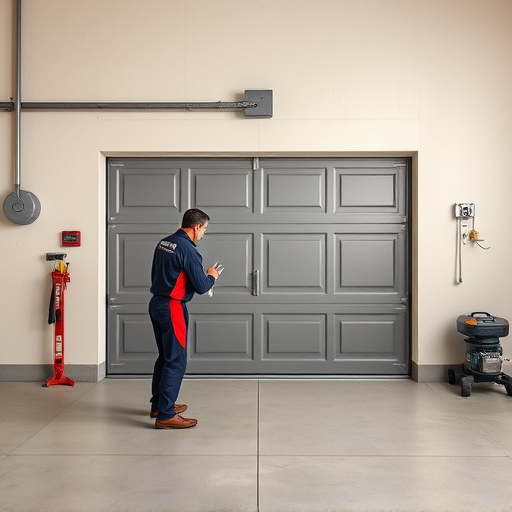
Tucson garage door sensors, such as photoeye or laser types, are essential for home security. These sensors, installed on the ceiling above the entry point with proper tools and alignment, enhance safety and automate door operations. Rigorous calibration and testing ensure accurate detection of obstacles and reliable door control, preventing accidents under various conditions. Choosing the right sensor type (photoeye for limited space or laser for larger areas) offers tailored protection for Tucson homeowners.
“Enhance the safety of your Tucson garage doors with sensor installation and adjustment. This comprehensive guide covers all you need to know, from understanding different sensor types and their functions to a detailed step-by-step installation process for homeowners. Learn how calibration and testing ensure optimal performance, preventing accidents and securing your property. Discover the importance of these sensors in maintaining a secure Tucson garage door system.”
Understanding Tucson Garage Door Sensors: Types and Functions
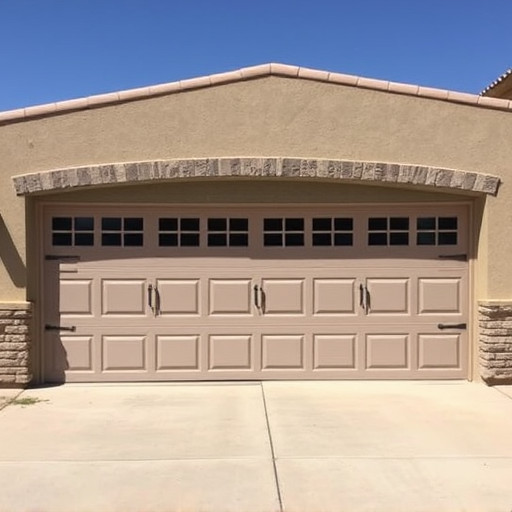
Tucson garage door sensors are an essential component of your home’s safety system, designed to detect obstacles and prevent accidents. These sensors come in various types, each with unique functions tailored to different needs. For instance, photoeye sensors use light beams to monitor the gap at the bottom of the door, stopping it if an obstacle crosses the beam. This type is ideal for homes with limited space or where a more visible safety feature is preferred.
Conversely, laser sensors emit a focused beam and measure the time it takes for the light to bounce back, detecting objects within a specific range. They offer greater flexibility in installation and are less susceptible to interference from weather conditions compared to photoeye sensors. Tucson garage door owners often opt for these when extra protection is required, such as in larger garages or those with frequent foot traffic.
Installation Process: A Step-by-Step Guide for Homeowners
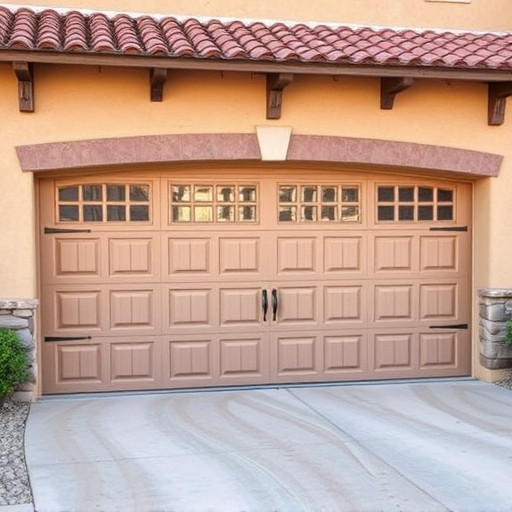
Installing sensors on your Tucson Garage Doors is a straightforward process that can significantly enhance safety and automate your garage door operations. Here’s a step-by-step guide for homeowners:
1. Preparation: Begin by ensuring your garage door is in good working condition, with all springs and cables checked and tightened if necessary. Gather the required tools, including screwdrivers, drill bits, and any sensors or equipment provided.
2. Sensor Placement: Identify the ideal locations for your sensors. Typically, these are placed on the ceiling directly above the entry point of the garage door. Use level tools to ensure proper alignment. Clean the area to remove any debris or obstructions that could interfere with sensor operation.
Calibration and Testing: Ensuring Optimal Safety Performance
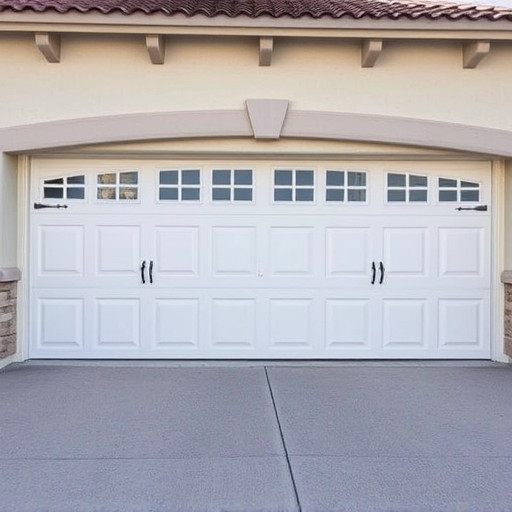
Proper calibration and testing are essential steps in ensuring that sensor installation enhances safety rather than introduces new risks. At Tucson Garage Doors, we understand that sensors play a crucial role in detecting obstacles and controlling garage door operations. Calibration involves meticulously adjusting these sensors to ensure they accurately read the environment, whether it’s the clearance between the door and the garage ceiling or any obstructions nearby. This process guarantees that the garage door operates safely and smoothly, preventing accidents.
Testing goes hand in hand with calibration. We perform comprehensive tests to verify the sensor’s functionality under various conditions, ensuring they react correctly to different scenarios like sudden movements, changes in light levels, or unexpected objects in their path. By adhering to these rigorous standards, Tucson Garage Doors guarantees that your garage door system operates at peak safety performance, providing you with peace of mind and a secure space.
Upgrading your Tucson garage door with sensors is a smart move towards enhanced safety. By understanding the different types, following a detailed installation process, and calibrating for optimal performance, you can ensure that your garage door operates seamlessly while providing peace of mind. Regular maintenance and testing will further guarantee the highest level of security for your home and family. Investing in such features not only adds value to your Tucson garage doors but also offers a sense of comfort, knowing that your property is well-protected.