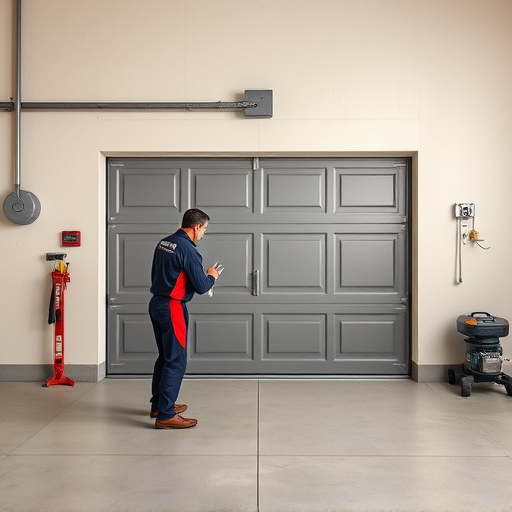
Tucson Garage Doors require strategic insulation to combat extreme temperature variations. High-quality materials like foam core or fiberboard save up to 30% on energy bills by reducing heat gain in summer and cold air intrusion in winter. Proper installation, regular maintenance, and climate-specific choices maximize energy efficiency, comfort, and HVAC system performance. Insulating Tucson Garage Doors is a cost-effective way to track energy usage with smart thermostats and achieve long-term savings.
In today’s world, energy efficiency is a top priority for homeowners seeking to reduce costs and their environmental impact. One often overlooked area of improvement is garage door insulation—a simple yet powerful tool in Tucson Garage Doors. Garages, despite being integral to our daily lives, can be significant sources of heat loss or gain, leading to inefficient energy usage. This article delves into the problem and offers a practical solution: garage door insulation installation. By the end, you’ll understand the importance of this upgrade for enhanced comfort, lower utility bills, and improved overall energy efficiency.
- Understanding Garage Door Insulation Benefits in Tucson
- Assessing Your Tucson Garage Door for Insulation Needs
- Choosing the Right Insulation Materials for Optimal Efficiency
- Step-by-Step Guide to Installing Garage Door Insulation
- Best Practices and Tips for Maintaining Insulated Garage Doors
- Long-Term Savings: Measuring Energy Efficiency Post-Installation
Understanding Garage Door Insulation Benefits in Tucson
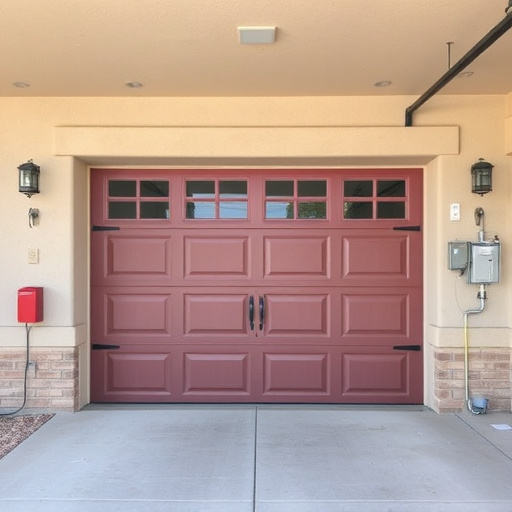
In Tucson, understanding the benefits of garage door insulation is key to enhancing energy efficiency. Garage doors, often overlooked, are significant contributors to a home’s overall thermal performance. With extreme temperature variations between day and night in the desert climate of Tucson, efficient insulation can mitigate heat gain during summer months and prevent cold air from entering during winter, significantly reducing heating and cooling costs. According to local utility providers, homes with well-insulated garage doors can save up to 15% on energy bills annually.
Tucson Garage Doors offer a unique challenge due to the city’s hot summers and mild winters. Insulation should address both heat retention and temperature regulation. High-quality insulation materials like foam panels or fiberglass blankets, specifically designed for garage doors, create an effective barrier against thermal transfer. By sealing gaps around the door, these materials prevent warm air from escaping in summer and cold air from entering in winter, maintaining a comfortable indoor temperature with less reliance on HVAC systems.
Practical insights for Tucson homeowners include selecting insulation based on climate-specific needs and ensuring proper installation. Local building codes often provide guidelines for garage door insulation requirements, which should be followed to ensure optimal energy savings and comfort. Regular inspection and maintenance of the insulation can also help identify any damage or gaps over time, allowing for prompt repairs or reinstallation. By prioritizing garage door insulation, Tucson residents can contribute to both environmental sustainability and significant long-term savings on utility bills.
Assessing Your Tucson Garage Door for Insulation Needs
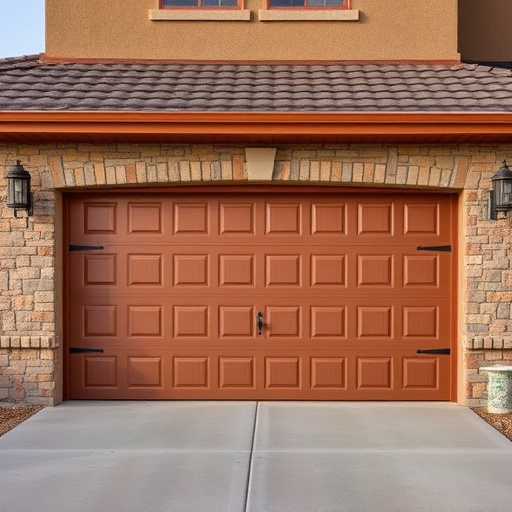
Assessing your Tucson Garage Door for insulation needs is a crucial step towards optimizing energy efficiency. Start by examining the door’s age and current condition. Older doors, especially those without proper insulation, can be significant sources of heat loss during winter and heat gain in summer, impacting both comfort and utility bills. Look for signs of wear, such as warped panels or damaged seals, which may indicate a need for replacement or retrofitting with insulating materials. Tucson’s varying climates demand tailored solutions; a door performing well in cooler months might require enhanced insulation to combat the region’s hotter summers.
Consider the type and construction of your garage door. Wood doors, for instance, offer better natural insulation than metal ones. However, adding foam core or other insulating panels can significantly improve performance. Roll-up doors, common in Tucson garages, benefit from specific insulated models designed to keep out extreme temperatures. Check for gaps around the door’s edges and bottom seal; these can be addressed with weatherstripping or specialized sealing products. Professionals recommend regular maintenance checks, including cleaning and lubricating tracks, to ensure optimal insulation effectiveness.
Data supports the impact of proper garage door insulation. According to recent studies, well-insulated Tucson Garage Doors can reduce energy consumption by up to 30%, leading to substantial savings on utility bills. Moreover, enhanced insulation contributes to a more comfortable indoor environment by stabilizing temperatures, which is particularly beneficial in Arizona’s extreme weather conditions. By accurately assessing your garage door’s insulation needs and implementing suitable solutions, you’re not just saving money; you’re also making a sustainable choice that reflects the region’s unique challenges.
Choosing the Right Insulation Materials for Optimal Efficiency

When considering garage door insulation installation for improved energy efficiency, selecting the right insulation materials is paramount. In Tucson Garage Doors, where temperatures can swing drastically between seasons, choosing the appropriate insulator is even more crucial. Fiberglass, for instance, is a popular option due to its low cost and effectiveness in blocking heat transfer. However, for maximum efficiency, experts recommend considering foamed-in-place polyurethane or polyisocyanurate (ISO) foam. These materials offer superior R-values, effectively sealing gaps and crevices to prevent warm air from escaping during winter and hot air from entering during summer.
The choice of insulation material should align with your climate, garage door size, and budget. For example, in regions with colder winters and warmer summers like Tucson, a combination of foam core and fiberboard can provide optimal performance. Foam core doors have high insulation values and are resistant to warping, while fiberboard adds an extra layer of insulation and soundproofing. Data from industry studies shows that homes with properly insulated garage doors experience up to 30% less energy loss, leading to significant savings on utility bills.
Additionally, professional installation is key for maintaining efficiency. Improperly installed insulation can result in air pockets and gaps that undermine its effectiveness. Tucson Garage Doors professionals are equipped with the latest tools and techniques to ensure a seamless fit, sealing all edges and corners thoroughly. Regular maintenance, including inspecting for any signs of damage or wear, will also prolong the lifespan of your insulation and preserve its energy-saving benefits. By carefully considering your material choices and ensuring professional installation, you can enjoy optimal energy efficiency in your Tucson home.
Step-by-Step Guide to Installing Garage Door Insulation

Installing garage door insulation is a straightforward yet impactful way to enhance your home’s energy efficiency, particularly in regions with varying climates like Tucson Garage Doors area. Here’s a step-by-step guide tailored for do-it-yourselfers seeking significant long-term savings on heating and cooling costs.
First, assess your current garage door setup. Ensure the door itself is in good condition; damaged seals or worn panels will hinder insulation effectiveness. Next, gather the necessary tools: weatherstripping, foam insulation boards, a utility knife, a measuring tape, and a roller for applying adhesive. Choose insulation based on your climate needs; rigid foam is common for garage doors due to its durability and R-value.
Begin by cleaning and preparing the door surface. Remove any debris or old sealing materials. Measure and cut the insulation boards to fit the door’s interior dimensions. Apply a suitable adhesive along the edges and top of the door, then attach the insulation, ensuring it’s securely in place. Install weatherstripping around the perimeter, creating an airtight seal between the door and frame. Finally, inspect your work for any gaps or misalignments, addressing them with additional sealing materials as needed.
Regular maintenance is key to preserving your garage door insulation’s efficiency. Periodically check for signs of damage, particularly after extreme weather events, and replace any worn components promptly. By following these steps and staying committed to energy-conscious practices, Tucson Garage Doors residents can enjoy reduced utility bills and a more comfortable living environment year-round.
Best Practices and Tips for Maintaining Insulated Garage Doors

Maintaining insulated garage doors is an essential step in maximizing energy efficiency and reducing utility costs, especially in a climate like Tucson Garage Doors’ service area. Proper insulation installation goes beyond just adding a layer of protection; it creates a barrier that prevents heat transfer between the interior and exterior, keeping your home comfortable year-round. To ensure optimal performance, follow these best practices:
Regularly inspect your garage door insulation for any signs of damage or wear. Over time, insulative materials can become compressed or torn, reducing their effectiveness. Check for gaps around the perimeter of the door, where cold air may seep in during winter and warm air escapes during summer. Sealing these areas with high-quality weatherstripping can significantly improve insulation. Additionally, consider investing in a professional evaluation to identify potential issues that might go unnoticed by homeowners.
Proper installation is paramount for insulated garage doors. Ensure that all gaps between the door, frame, and ceiling are sealed with appropriate materials. Use specialized door sweeps at the bottom for added protection against drafts. These simple steps can create a tight seal, minimizing heat loss during cold months and preventing hot air from entering during summer, thereby enhancing overall energy efficiency.
For Tucson Garage Doors customers, maintaining insulation also means considering local environmental factors. Extreme temperatures can put a strain on your garage door system, so regular maintenance is crucial. Schedule professional inspections to assess the condition of your insulation and make necessary upgrades. By prioritizing these practices, you’ll not only extend the lifespan of your garage door but also contribute to a more energy-efficient home environment, leading to long-term savings.
Long-Term Savings: Measuring Energy Efficiency Post-Installation

Insulating your garage door is a strategic move towards long-term energy savings and can significantly impact your home’s overall energy efficiency. After installation, one of the most compelling benefits to measure is the reduction in energy consumption, particularly during Tucson’s extreme seasonal temperatures. According to studies, properly insulated garage doors can decrease heat transfer by up to 30%, leading to substantial utility bill savings over time.
The process of evaluating energy efficiency post-installation involves a comprehensive understanding of your home’s energy dynamics. Start by monitoring the indoor temperature and humidity levels in all rooms, especially those adjacent to the garage. In Tucson’s climate, for instance, during the scorching summer months, an insulated garage door will prevent heated air from infiltrating your living space, thereby reducing the load on your air conditioning system. Similarly, in winter, it acts as a barrier against cold drafts, keeping your home cozier and lowering heating costs.
To gain precise insights, utilize smart thermostats or energy monitoring devices that track temperature variations and energy usage. These tools allow you to compare energy consumption before and after installation, highlighting the direct impact of Tucson Garage Doors’ insulation on your energy bills. Over a year, consistent data collection can demonstrate substantial savings, making it a compelling example of long-term investment in home energy efficiency.
By installing garage door insulation in Tucson, homeowners can significantly enhance energy efficiency, reducing utility bills and carbon footprint. The article has guided readers through the entire process, from understanding the benefits unique to Tucson’s climate to choosing the right materials and best practices for maintenance. Key takeaways include the importance of assessing specific garage door needs, selecting high-quality insulation, and following step-by-step installation procedures. Long-term savings, measured through energy efficiency, underscore the value of this investment for Tucson Garage Doors. With this authoritative guide, homeowners are now equipped to make informed decisions, ensuring their homes are not only comfortable but also energy-efficient.