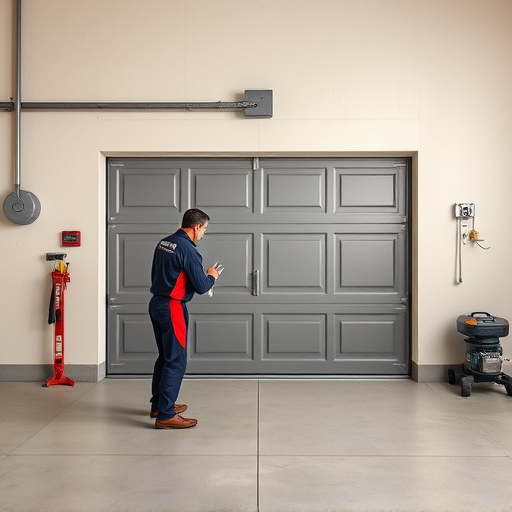
Understanding Tucson Garage Doors
Tucson garage doors are a quintessential component of residential architecture, serving both functional and aesthetic purposes. They are the large doors on the side or back of a house that provide access to the garage space. These doors come in various materials, designs, and mechanisms, from traditional swing-out models to modern sectional and roll-up doors. Their significance extends beyond mere entry points; they contribute to home security, energy efficiency, and the overall curb appeal of a property.
Historically, garage doors have evolved from simple wooden panels to sophisticated automated systems with remote controls and smart technology integration. Tucson, with its unique climate and architectural trends, has influenced the design and functionality of these doors, leading to innovative solutions tailored to the local environment.
Global Impact and Trends
The impact of Tucson garage doors extends beyond local boundaries, influencing global markets and trends in home improvement and construction. The demand for durable, weather-resistant, and secure garage doors has led to advancements in materials like steel, aluminum, fiberglass, and composite wood. These materials are chosen not only for their longevity but also for their adaptability to various climates and aesthetic preferences.
Key trends shaping the trajectory of Tucson garage doors include a shift towards eco-friendly options, smart home integration, and customizable designs that cater to individual tastes and needs. The global influence is evident in the way Tucson’s design principles have been adopted and adapted across different regions, each bringing their local flavor to the functional element of garage doors.
Economic Considerations
The economic landscape of Tucson garage doors reflects a balance between cost-effectiveness, quality, and innovation. The market dynamics reveal a competitive yet collaborative environment where manufacturers, suppliers, and installers work to meet consumer demands. Investment patterns show a growing interest in upgrading home features, with garage doors being a significant portion of that investment.
In economic terms, Tucson garage doors play a role in stimulating job growth within the construction and home improvement sectors. They also contribute to the local economy through the supply chain, including raw material providers, manufacturers, distributors, and service professionals.
Technological Advancements
Technological advancements have revolutionized Tucson garage doors, making them safer, more efficient, and integrated with smart home systems. Innovations such as battery backup systems, solar-powered openers, and Wi-Fi connectivity for remote access and monitoring have become standard features. These advancements not only enhance convenience but also offer improved security measures, such as motion sensors and digital encryption technology.
The future potential of Tucson garage doors lies in the continued integration of smart technologies, energy efficiency improvements, and material science innovations that could lead to even more durable and sustainable options.
Policy and Regulation
Policies and regulations govern the manufacturing, installation, and maintenance of Tucson garage doors to ensure safety, accessibility, and energy efficiency standards are met. Building codes and homeowner association (HOA) guidelines often dictate the types of materials and designs allowed, particularly in communities with strict aesthetic controls.
Legislative frameworks also address the environmental impact of garage doors, promoting sustainable practices and setting benchmarks for energy consumption. These regulations help maintain the integrity of Tucson’s architectural character while encouraging innovation in design and technology.
Challenges and Criticisms
One of the main challenges facing Tucson garage doors is the balance between innovation, cost, and sustainability. Critics often cite the environmental impact of manufacturing and discarding large numbers of garage doors as a concern. Additionally, there are issues related to compatibility with existing homes and the integration of smart technologies for those without the technical expertise.
To address these challenges, industry stakeholders are exploring new materials that reduce the carbon footprint, designing products with longevity in mind, and educating consumers on the importance of proper maintenance and disposal.
Case Studies
Several case studies demonstrate the successful application of Tucson garage doors. A notable example is a local homeowner who replaced their outdated garage door with an insulated, smart-enabled model, significantly improving their home’s security and energy efficiency. Another case involves a community that overhauled its garage doors to maintain a cohesive architectural look while incorporating modern amenities and sustainability practices.
These case studies provide valuable lessons on the importance of choosing the right type of garage door for the local climate, the benefits of integrating smart technology early on, and the impact of a well-maintained garage door on property value.
Future Prospects
The future outlook for Tucson garage doors is promising, with advancements in materials science, smart home integration, and energy efficiency leading the way. Emerging trends include doors with self-repairing capabilities, enhanced security features, and designs that harmonize with the architectural character of Tucson homes.
Strategic considerations for manufacturers and installers focus on education and advocacy to ensure consumers understand the long-term benefits of investing in high-quality garage doors. The potential for growth is significant as long as the industry continues to adapt to changing consumer needs and global environmental concerns.
Conclusion
Tucson garage doors stand at the intersection of functionality, innovation, and community values. They are a testament to how local trends can have a global impact, influencing design, technology, and sustainability in the home improvement industry. As Tucson continues to grow and evolve, its garage doors will remain an integral part of the city’s architectural identity and economic landscape.
FAQ Section
-
What are the most popular materials for Tucson garage doors? The most popular materials include steel, aluminum, fiberglass, and composite wood due to their durability and ability to withstand Tucson’s climate.
-
How do smart garage door openers work? Smart garage door openers use Wi-Fi or Bluetooth technology to connect to a home’s network, allowing users to operate the garage door from a smartphone app, watch for activity with cameras, and receive alerts when the door opens or closes.
-
Can I retrofit my existing garage door with smart technology? Yes, many manufacturers offer retrofit kits that allow you to add smart features to your current garage door system.
-
What should I consider when choosing a new garage door? When choosing a new garage door, consider the material, design, insulation value, compatibility with your home’s style, security features, and long-term maintenance requirements.
-
Are eco-friendly options available for Tucson garage doors? Yes, there are several eco-friendly options, including doors made from recycled materials, energy-efficient designs, and products that utilize sustainable manufacturing processes.
Evaluating Tucson Garage Doors for insulation is key to energy efficiency, saving up to 25% on utility bills. Older doors or poor fits may lack insulation, allowing heat transfer. Assess door condition, consider existing insulation, and gather compatible materials like foam panels, weatherstripping, and caulk. Install foam panels, seal edges with weatherstripping, and caulk the frame for a draft-free seal. Regular maintenance ensures optimal performance, enhancing comfort and home sustainability.
In today’s quest for energy efficiency, even the smallest adjustments can make a significant impact on our homes and wallets. One often overlooked area with immense potential is garage door insulation. Tucson residents, in particular, face unique challenges due to varying climates, making proper insulation crucial for comfort and cost savings.
The problem? Inefficient garage doors contribute to energy loss, leading to higher heating and cooling bills. The solution? Upgrading to insulated garage doors, a straightforward yet powerful step towards a more energy-efficient home. This article delves into the process of installing garage door insulation, offering practical insights for Tucson homeowners seeking to enhance their living spaces.
Evaluating Your Tucson Garage Doors for Insulation Needs
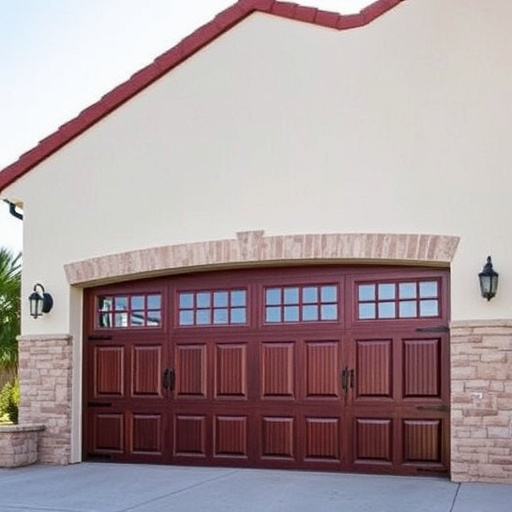
Evaluating your Tucson Garage Doors for insulation needs is a strategic step towards enhancing energy efficiency, offering both cost savings and environmental benefits. In Arizona’s climate, where extreme temperatures are common, proper insulation can make a significant difference in keeping your home comfortable while reducing utility bills.
Start by examining the garage door itself. Older doors may lack adequate insulation, allowing heat transfer during cold months and warmth escape during hot ones. Tucson Garage Doors with flimsy or poorly fitted panels are particularly susceptible. Check for gaps around the door’s edges, where air can leak in or out. These weak points contribute to energy loss, negating any potential benefits of insulation elsewhere in your home.
Next, consider the type and quality of your current insulation. Fiberglass is a common choice due to its affordability and effectiveness. However, ensure it’s properly installed, with no visible gaps or sags. For superior performance, consult professionals about high-R-value foam core options that provide excellent thermal resistance, significantly improving energy efficiency. Data shows that insulated garage doors can reduce heat gain by up to 34%, resulting in substantial savings on cooling and heating costs throughout your Tucson home.
Before installing new insulation, have a professional assess the door’s condition and structural integrity. They can recommend specific solutions tailored to your Tucson Garage Doors, ensuring proper sealing, bracing, and insulation placement for maximum effectiveness.
Step-by-Step Guide to Efficient Garage Door Insulation Installation
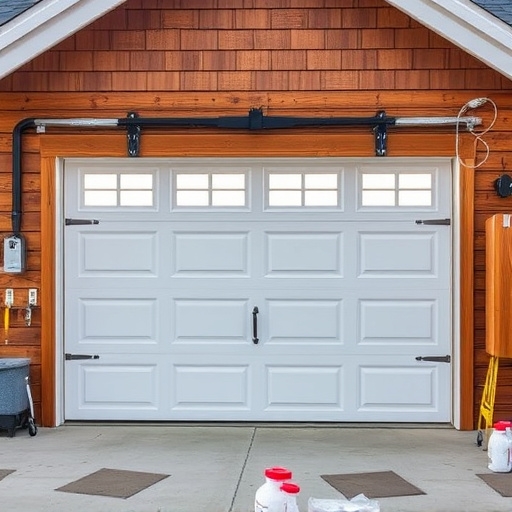
Insulating your garage door is a strategic step towards enhancing energy efficiency in your Tucson home, significantly reducing heating and cooling costs. Here’s a detailed guide to help you navigate the process effectively. First, assess your current door for suitable insulation options. Modern garage doors often come with insulation built-in, but older models may require retrofitting. Next, gather necessary materials such as insulating foam panels, weatherstripping, and caulk. Ensure these are compatible with your door’s material to guarantee long-lasting protection against temperature loss.
Begin the installation by cleaning the door surface to ensure optimal adhesion for the insulator. Fit the insulating panels inside the door frame, securing them firmly in place with screws or brackets. Pay close attention to corners and edges, ensuring complete coverage to block drafts effectively. After installing the foam, apply weatherstripping along the bottom and sides of the door. This creates a seal that prevents hot or cold air from escaping, enhancing your home’s insulation. Finally, use caulk to fill any gaps around the door frame, further sealing in comfort and saving energy.
Regular maintenance, including periodic checks for wear and tear, is crucial. Over time, weatherstripping can degrade, necessitating replacement. Data suggests that proper garage door insulation can lead to a 10-25% reduction in heating and cooling bills. By following these steps, you’re not just improving energy efficiency but also contributing to the overall comfort and sustainability of your Tucson home.
By evaluating your Tucson Garage Doors for insulation needs and following a detailed step-by-step guide, homeowners can significantly improve their energy efficiency. The article’s key insights underscore the importance of proper insulation in Tucson’s climate, highlighting potential savings and environmental benefits. Practical next steps include assessing door materials, selecting appropriate insulation, and professional installation to ensure optimal performance. These measures not only enhance comfort but also contribute to a more sustainable home, making garage door insulation a valuable investment for Tucson residents.