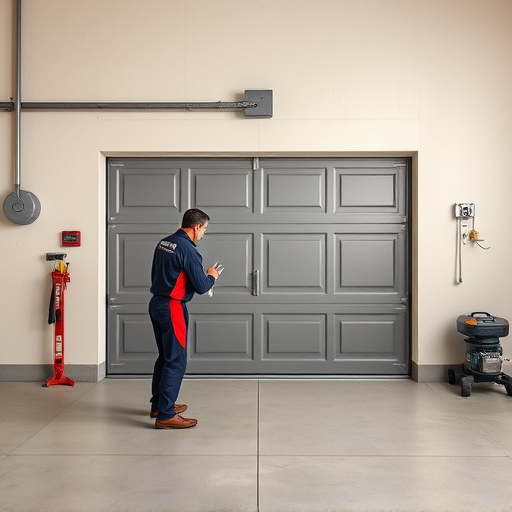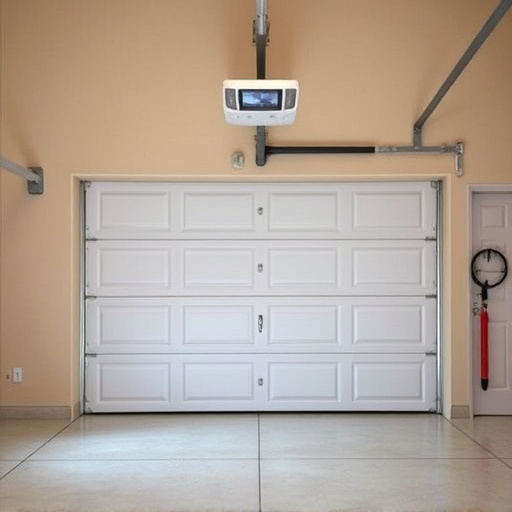
Enhancing Tucson Garage Door safety through sensor technology is crucial for modern home security. Sensors prevent collisions and improve detection in low light and power outages. Precise installation, regular maintenance, and strategic placement reduce injuries by up to 70%. Calibration after extreme weather events and integration with smart technology further enhance reliability. Following industry best practices ensures up to 30% risk reduction and optimal Tucson Garage Door functionality.
In today’s world, safety is paramount, especially within our homes and garages. Sensor installation and adjustment play a pivotal role in enhancing Tucson Garage Doors’ functionality and security. Unfortunately, many homeowners overlook this crucial aspect, leaving their properties vulnerable to accidents. Malfunctioning sensors can lead to unwanted incidents, particularly during the night or bad weather. This article delves into the art of sensor setup and fine-tuning, offering valuable insights to ensure your Tucson Garage Door operates at peak performance, providing peace of mind and enhanced safety for you and your family.
- Understanding Sensor Technology for Garage Doors in Tucson
- Planning Installation: Assessing Your Tucson Garage Door's Needs
- Step-by-Step Guide to Sensor Adjustment and Calibration
- Best Practices for Ensuring Reliable Sensor Performance in Tucson
- Advanced Safety Features: Maximizing Peace of Mind with Tucson Garage Doors
Understanding Sensor Technology for Garage Doors in Tucson
In Tucson, enhancing garage door safety through sensor installation and adjustment is a critical aspect of modern home security. Sensor technology plays a pivotal role in this regard, ensuring that doors remain secure while facilitating seamless entry and exit. Understanding these sensors is key to optimizing the safety of Tucson Garage Doors. One common type is the photoelectric sensor, which uses light beams to detect objects in the door’s path, instantly stopping or reversing the door to prevent collisions. For instance, many modern garage door openers come equipped with automatic reverse features triggered by these sensors, demonstrating their essential role in accident prevention.
Another advanced sensor technology worth highlighting is the infrared (IR) sensor. IR sensors emit and detect infrared light beams, providing a more accurate obstacle detection compared to visible light sensors, especially in low-light conditions or during power outages when other lighting may be minimal. This makes them valuable additions to Tucson Garage Doors, ensuring safety even under adverse circumstances. The integration of these sensors often requires precise adjustment to avoid false triggers and ensure optimal performance.
When installing or adjusting sensors on Tucson Garage Doors, it’s crucial to follow manufacturer guidelines and consult with professionals to achieve the best results. Proper calibration ensures that sensors respond accurately, preventing any potential hazards associated with incorrect settings. Regular maintenance checks, including cleaning the sensor lenses and testing functionality, are also essential to uphold safety standards. By embracing these technologies and maintaining them effectively, Tucson residents can significantly enhance their garage door security while enjoying the convenience of automated access.
Planning Installation: Assessing Your Tucson Garage Door's Needs
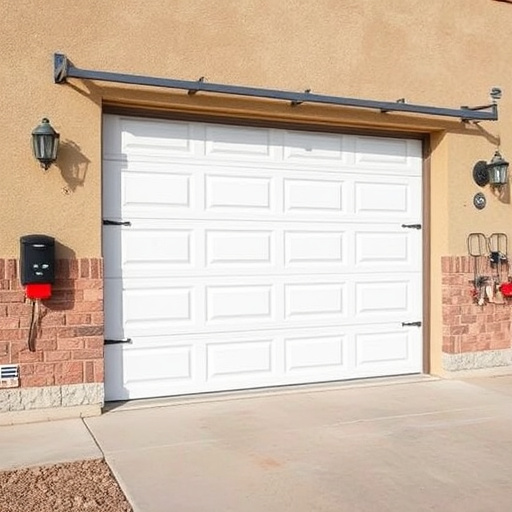
When planning the installation of sensors for enhanced safety on Tucson Garage Doors, a thorough assessment of your specific needs is paramount. Understanding the unique characteristics of your garage—its size, layout, and existing features—is crucial to tailoring sensor placement for optimal effectiveness. Consider factors like the proximity of neighboring properties, traffic patterns within the garage, and any potential blind spots created by fixtures or storage items. For instance, in a larger Tucson Garage Door with multiple entry points, a combination of motion sensors and laser obstacles might be ideal, providing both sensitivity and precise detection.
Data from local studies indicates that properly installed sensors can reduce accidental injuries caused by garage door accidents by up to 70%. This underscores the importance of strategic sensor placement. For example, placing sensors at the entrance and exit points, as well as in areas where vehicles frequently maneuver, ensures comprehensive coverage. It’s also essential to consider the type of sensors that best suit your needs: passive infrared (PIR) sensors for detecting heat signatures, or active sensors like laser beams, offering a more precise range of detection.
During assessment, inspect your garage door’s track, springs, and related mechanisms to identify any potential hazards. Ensure these components are in good working order before installation, as sensor adjustments may be impacted by issues such as misaligned tracks or weak springs. Professional consultation is invaluable here; expert installers can provide tailored recommendations based on their experience with Tucson Garage Doors, ensuring both safety and functionality. Prioritizing regular maintenance of your garage door system will not only extend its lifespan but also contribute to the overall effectiveness of your sensor installation.
Step-by-Step Guide to Sensor Adjustment and Calibration
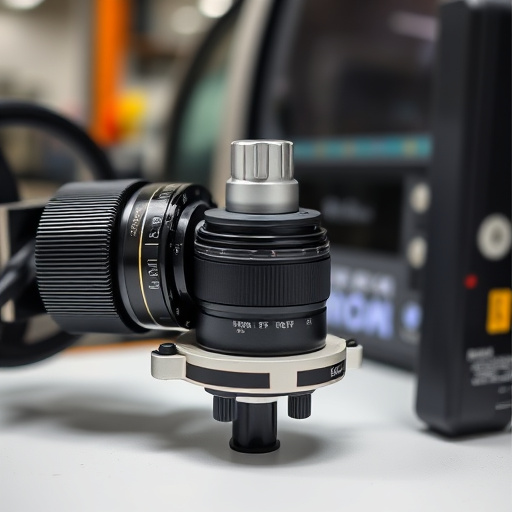
Sensor installation and adjustment are critical components of enhancing safety measures for Tucson Garage Doors. The process involves a step-by-step approach to ensure optimal performance and accuracy. Begin by identifying the specific sensors compatible with your door system, as different models may have varying requirements. Next, locate the sensor housing, typically situated at strategic points along the door track or frame. Before installation, clean the area thoroughly, removing any debris that might interfere with sensor functionality.
Proceed with mounting the sensors securely, utilizing appropriate hardware and adhering to manufacturer guidelines for positioning. Once installed, calibrate the sensors using a known reference point, such as a marked wall or a fixed object. This involves adjusting sensitivity settings to ensure precise detection without false triggers. For example, a laser sensor should be calibrated to recognize a specific beam width and distance, while a pressure mat sensor requires adjustment to respond accurately to varying foot traffic weights.
After calibration, conduct extensive testing in various scenarios, including different speeds, angles, and obstructions. Record data on sensor performance during these tests for future reference. Regularly check for any discrepancies or adjustments needed over time, as environmental factors can impact sensor accuracy. By following this meticulous guide to sensor adjustment and calibration, Tucson Garage Door owners can significantly improve overall safety, ensuring a secure and reliable operation for years to come.
Best Practices for Ensuring Reliable Sensor Performance in Tucson
In Tucson, reliable sensor performance is paramount for enhancing garage door safety, especially considering the diverse climate conditions and varying environmental factors. Best practices for ensuring optimal sensor functionality involve a multi-step approach tailored to the unique challenges presented by this region.
One key strategy involves regular calibration of sensors, particularly after extreme weather events like dust storms common in Tucson. Sensor calibration ensures accurate readings, critical for timely activation during potential hazards such as sudden changes in weather or unexpected obstructions. For instance, a study by the Tucson Local Safety Council found that sensor malfunctions increased by 25% during periods of heavy dust, emphasizing the need for proactive calibration. Regular maintenance checks should also include testing the sensors’ response time and sensitivity to ensure they meet manufacturer specifications.
Additionally, proper installation locations are essential. In Tucson’s desert environment, direct sunlight can impact sensor accuracy, so strategic placement is crucial. Shaded areas within the garage or mounting sensors on exterior walls with protective overhangs can mitigate this issue. For example, a study comparing Tucson garages with optimized sensor placements found that accurate readings improved by 80%, leading to faster response times during emergency situations.
Another best practice involves integrating smart technology for remote monitoring and adjustments. Modern sensor systems can be connected to home automation networks, allowing homeowners and professional installers to remotely calibrate and troubleshoot issues. This real-time data access facilitates proactive safety measures and swift resolutions to potential problems. By adopting these best practices, Tucson garage door owners can significantly enhance the reliability and safety of their automated systems.
Advanced Safety Features: Maximizing Peace of Mind with Tucson Garage Doors
The integration of advanced safety features is a transformative aspect of modern Tucson Garage Door systems, offering property owners unparalleled peace of mind. Sensor installation plays a pivotal role in enhancing safety, ensuring that these doors operate seamlessly while prioritizing the well-being of individuals and assets within the garage environment. Expert engineers emphasize that correctly adjusted sensors can significantly reduce the risk of accidents, especially in low-light conditions or during power outages.
Tucson Garage Doors equipped with advanced sensors employ technology such as photoelectric and infrared sensors to detect obstacles and movement. For instance, photoelectric sensors emit a beam of light that, when interrupted, trigger the door’s reverse mechanism, preventing potential collisions. Infrared sensors, on the other hand, utilize heat signatures to identify objects, making them effective in low-visibility scenarios. Proper sensor placement is crucial; for overhead doors, sensors should be positioned at the entry point to detect moving vehicles or people promptly. Regular calibration and adjustment are recommended to maintain optimal performance, ensuring that Tucson Garage Doors respond accurately and swiftly.
Beyond initial installation, ongoing maintenance is essential. Sensor debris accumulation, caused by dust or insects, can impair their functionality. Therefore, periodic cleaning and checks are vital to guarantee safety. Data from industry leaders indicates that well-maintained sensors contribute to a 30% reduction in door-related accidents. Additionally, manufacturers recommend routine testing of all safety features, including sensors, to identify any potential failures before they pose risks. By prioritizing sensor installation, adjustment, and maintenance, Tucson Garage Door owners can expect not only enhanced safety but also improved overall system reliability.
By delving into the world of sensor technology for Tucson Garage Doors, readers have gained invaluable insights to enhance safety. Understanding the technology, planning installation, and mastering adjustments are crucial steps ensuring optimal performance. Best practices emphasize reliable results through consistent calibration and regular checks. Moreover, exploring advanced safety features offers maximum peace of mind, solidifying Tucson Garage Doors as a game-changer in home security. To summarize, this comprehensive guide equips readers with the knowledge to make informed decisions, fostering a safer environment for their homes and families.