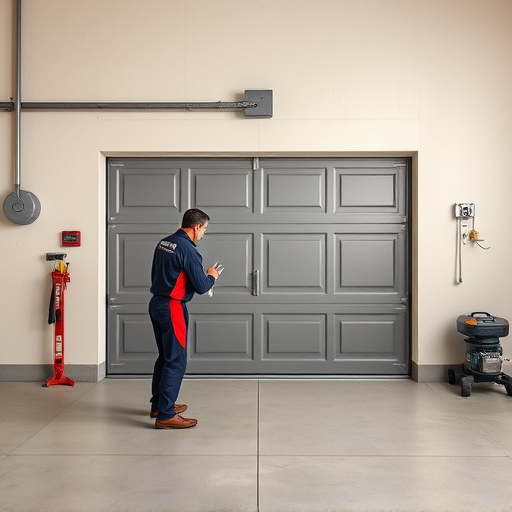
Tucson Garage Doors require meticulous care for secure, convenient access. Key components include motors, control boards, sensors, and springs. Installation demands precision, with regular maintenance vital for misalignment prevention, component integrity, and safety. Longevity depends on routine checks, lubricating tracks, tightening components, and professional inspections. Regular upkeep reduces breakdown risks, enhances security, and optimizes performance through upgrades like smart connectivity and efficient motors.
Tucson Garage Doors play a vital role in our daily routines, providing secure entry and exit to our homes and businesses. Reliable access is paramount for convenience, safety, and property value. However, installation and repair can be complex processes requiring precision and expertise to ensure smooth functioning. Over time, wear and tear can lead to malfunction, compromising security and accessibility. This article delves into the intricacies of Tucson Garage Doors’ installation and repair, equipping homeowners and business owners with the knowledge to maintain reliable access and enhance their property’s overall value.
- Understanding Tucson Garage Door Opener Basics
- Installation Process: Step-by-Step Guide
- Common Issues & Troubleshooting Tips
- Maintenance for Longevity and Reliability
- Repairing and Upgrading Your Opener System
Understanding Tucson Garage Door Opener Basics
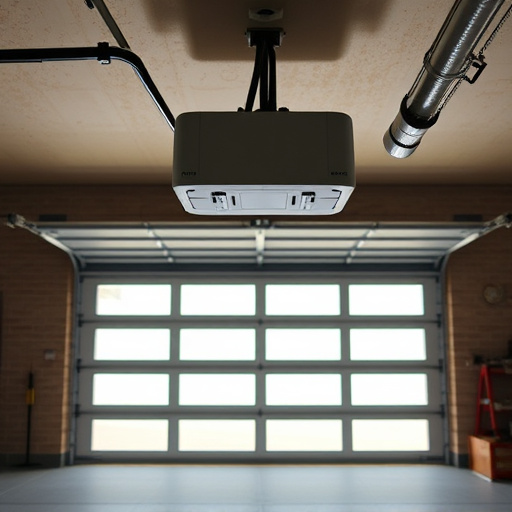
Tucson Garage Door openers are essential for seamless access to your property, ensuring security and convenience. Understanding their basic components and functionality is crucial for both installation and repair. A typical Tucson Garage Door opener consists of a motor, control board, belt or chain system, and safety sensors. The motor drives the door up and down, while the control board manages operations through a remote or wall switch. The belt or chain system transfers power from the motor to the door, allowing for smooth operation.
Safety sensors, often photoeyes, are critical components designed to stop the door if they detect an obstacle in its path. This feature underscores the importance of regular maintenance and prompt repair for any malfunctioning sensors. Tucson residents should also familiarize themselves with the different types of openers—ac power, battery backup, or solar-powered—and their unique benefits. For instance, a battery-backed model ensures uninterrupted access during power outages.
Regular inspection and lubrication of moving parts can prevent premature wear and breakages. Additionally, keeping the opener’s sensors clear of debris and ensuring proper alignment enhances performance and safety. When issues arise, DIY troubleshooting can address minor problems like loose connections or misaligned tracks. However, for complex repairs or uncertain situations, it’s best to consult licensed professionals specializing in Tucson Garage Door openers. This ensures not only accurate diagnostics but also safe and effective repairs tailored to your specific opener model.
Installation Process: Step-by-Step Guide
The installation process for Tucson Garage Doors is a meticulous art that demands precision and expertise to ensure reliable access and safety. The journey begins with thorough preparation, including measuring the door opening and selecting the appropriate door size and style. Once the components arrive, the first step involves setting the door frame, ensuring it’s level and securely anchored to the floor and walls. This foundation is crucial for the door’s stability and alignment.
Subsequent steps include mounting the torsion springs, which are the powerful mechanisms responsible for lifting and lowering the door. Proper installation of these springs, typically done with specialized tools, is essential to prevent accidents and ensure smooth operation. After connecting the springs to the door and the counterbalance assembly, the door itself is hung, allowing it to swing freely but securely.
The final stages involve installing the door’s operating system, which includes the motor, control board, and safety sensors. Wiring must be meticulously connected, adhering to manufacturer guidelines, to power the system and ensure its functionality. Once all components are in place, the door is tested for smooth operation, balance, and safety features, such as reverse sensors that stop the door if an obstacle is detected. Regular maintenance and inspections are recommended to preserve the door’s performance and longevity.
Common Issues & Troubleshooting Tips

Tucson Garage Doors, like many mechanical systems, can encounter various issues over time, requiring careful attention during installation and ongoing maintenance to ensure reliable access. Common problems often stem from misalignment, faulty springs, worn out tracks, or damaged panels. For instance, a recent study by the National Association of Home Builders revealed that garage door malfunctions are among the top five home maintenance concerns, with 72% of respondents citing frequent breakdowns as a significant inconvenience.
During installation, misalignment is a prevalent challenge, leading to improper operation and safety hazards. This issue can be readily addressed through meticulous calibration and regular adjustments. For example, ensuring that the door’s tracks are parallel and level is crucial for smooth movement. Homeowners in Tucson should also inspect their doors for loose or damaged components, as these can compromise structural integrity and safety features like automatic reverse mechanisms.
Troubleshooting tips offer a proactive approach to maintenance. When dealing with slower-than-expected door operation, checking the tension on the main springs is recommended. Over time, springs may lose their elasticity, leading to reduced performance. Conversely, excessive noise could indicate worn rollers or ball bearings that require lubrication or replacement. In cases where the door refuses to close fully, a potential culprit could be a faulty safety sensor or a mechanical obstruction warranting professional attention. Regular maintenance checks, including cleaning and lubing components, can prevent such problems from escalating.
Maintenance for Longevity and Reliability
The longevity and reliability of Tucson Garage Doors, like any mechanical system, hinge on consistent maintenance. Regular upkeep not only extends the lifespan of these structures but also ensures they operate safely and efficiently. A well-maintained garage door is less prone to unexpected failures, costly repairs, or hazardous situations.
Focus on key areas such as regular lubrication of tracks and hinges, tightening of loose components, and inspecting for signs of wear or damage. Many manufacturers recommend periodic professional inspections to identify potential issues before they escalate. For instance, a recent study by the National Safety Council found that garage door accidents sent over 18,000 people to the emergency room annually, underlining the importance of proactive maintenance.
Implementing simple preventative measures can significantly reduce these risks. Keep a log of maintenance activities, including dates and details of repairs or adjustments. This helps track changes over time, making it easier to identify recurring problems and adjust maintenance schedules accordingly. Remember, a well-maintained Tucson Garage Door not only enhances the safety and security of your home but also contributes to the overall efficiency and smooth operation of your property’s entranceway.
Repairing and Upgrading Your Opener System
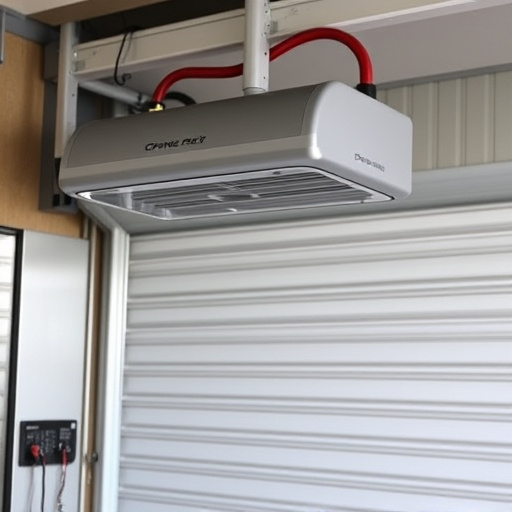
The process of repairing and upgrading your opener system is a crucial step in ensuring reliable access to your Tucson Garage Doors. Many homeowners often overlook the importance of maintaining their garage door openers, leading to unexpected breakdowns and security risks. A regular check-up and update can significantly extend the lifespan of these mechanisms, preventing costly replacements. For instance, a study by the National Association of Home Builders (NAHB) revealed that proper maintenance can reduce the need for opener replacement by up to 75%.
When addressing repairs or upgrades, start with a thorough inspection. Look for any signs of wear and tear, such as loose or broken components, corroded tracks, or unusual noises during operation. For example, a squeaking door may indicate worn bearings that require lubrication or replacement. Regular lubricating can prevent these issues from escalating, ensuring smooth functioning. If upgrading, consider modern features like smart connectivity, offering remote access and automated settings for enhanced convenience and security.
Upgrading your opener system doesn’t always mean a complete overhaul. Simple enhancements like replacing outdated safety sensors or installing a new, more efficient motor can make a significant difference. For Tucson Garage Doors, selecting compatible parts is essential. Consult with professionals who can guide you through the process, ensuring any upgrades comply with local regulations and safety standards. Regular maintenance, combined with timely repairs and strategic upgrades, will keep your garage door systems running smoothly for years to come.
By mastering the basics of Tucson Garage Door openers and following the practical guides provided, homeowners can ensure reliable access to their properties. From installation to maintenance, troubleshooting common issues, and understanding repair options, this article equips readers with the knowledge to maintain and enhance their Tucson Garage Door systems. With these insights, you are now empowered to navigate any challenges, foster longevity, and revolutionize your daily entry and exit routines.